

Jul 23, 2026
Wine Tasting and Boating on the Coast of Crete
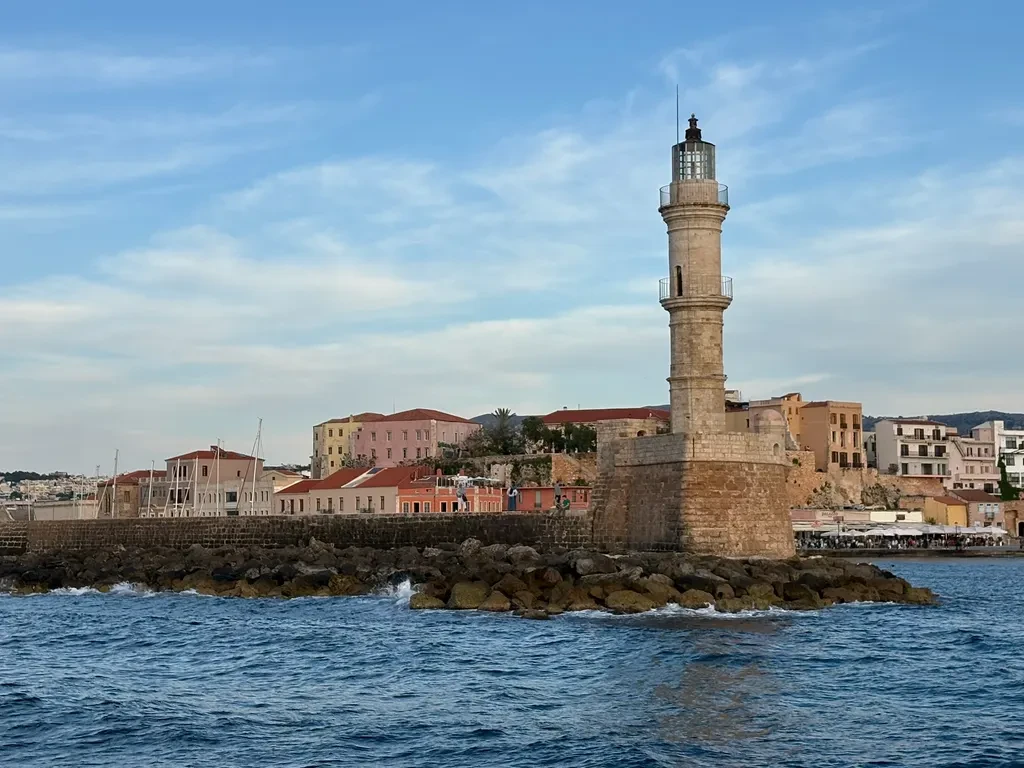
Some of the best wine tasting in Crete doesn't happen at a table — it happens on the water. Here's how to pair a coastal boat trip with a proper Cretan wine tasting.
April 3, 2026
The Article
The island is home to a wider cast of indigenous grapes—some bold and structured, others delicate and aromatic—all contributing to Crete’s growing reputation as one of the most exciting wine regions in Europe.
In this second part, we dive into Mandilari, Liatiko, Plyto, and Vilana—varieties that complete the picture of modern Cretan wine.
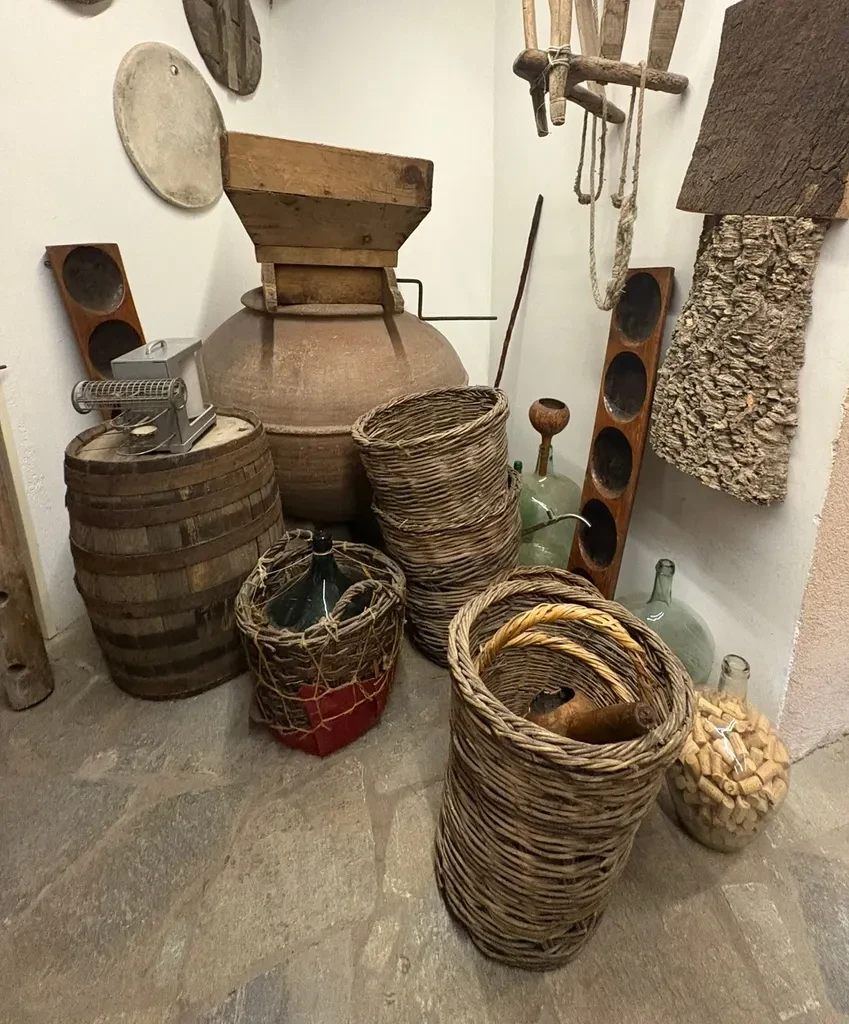

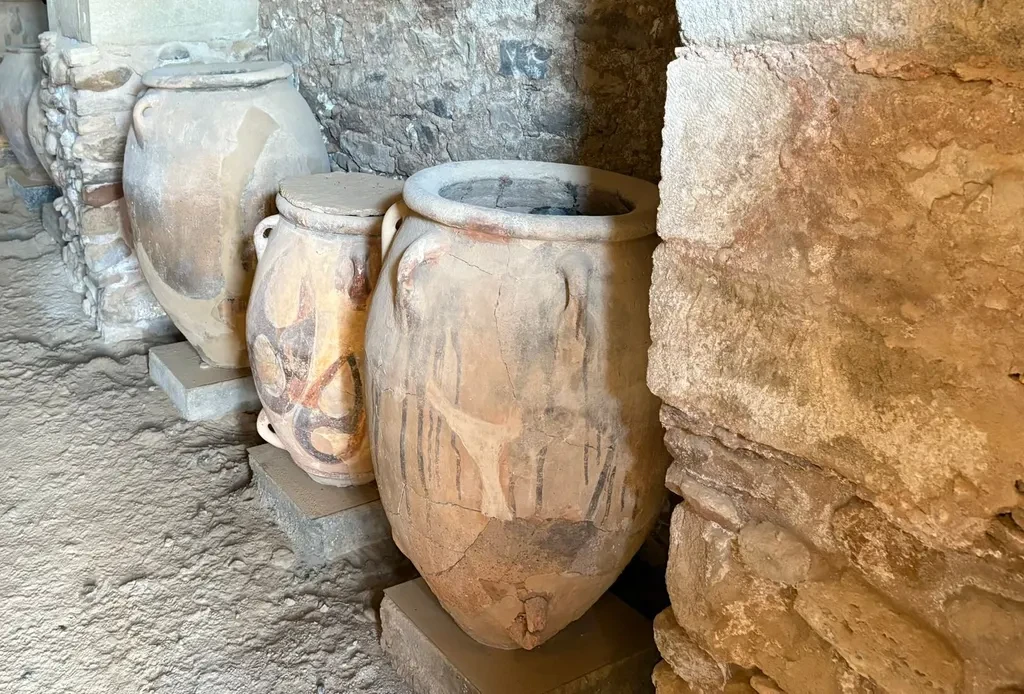
Mandilari (also known as Mandilaria in other parts of Greece) is one of Crete’s most important red grapes, often playing a supporting role—but increasingly stepping into the spotlight.
Mandilari is known for its deep color, firm tannins, and bold structure. It thrives in Crete’s warm climate, producing wines that can handle aging and benefit from careful winemaking.
Expect dark fruit flavors—blackberry, plum—alongside earthy notes, spice, and sometimes a rustic edge. Tannins are typically pronounced, giving the wine a strong backbone.
If you enjoy structured reds like Cabernet Sauvignon or Syrah, Mandilari offers a distinctly Mediterranean expression with aging potential and intensity.
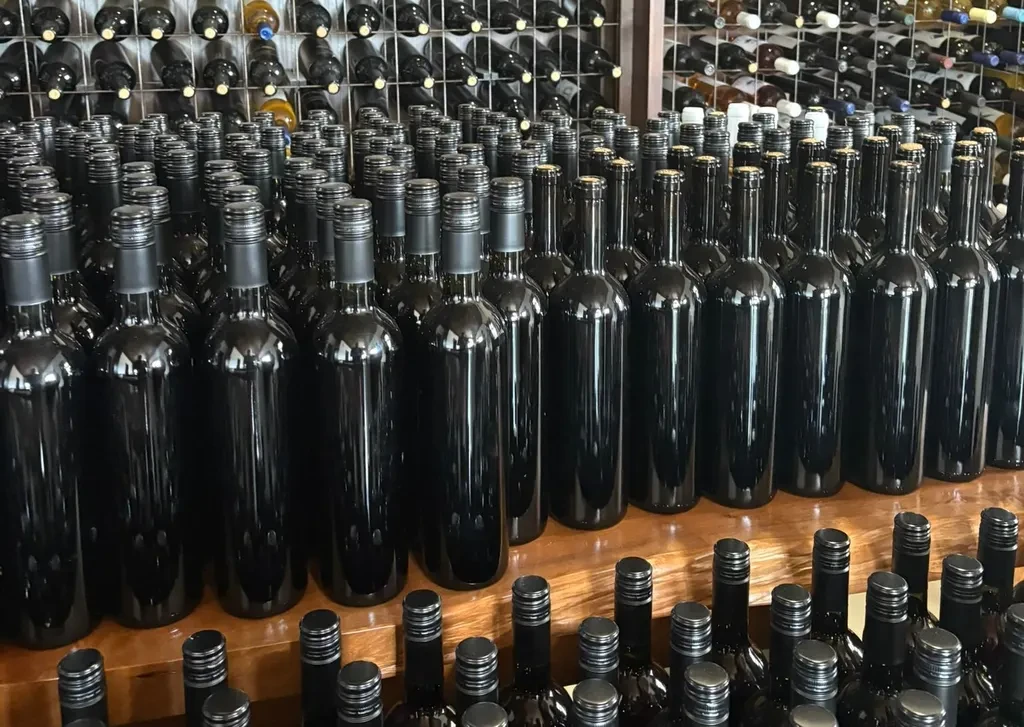
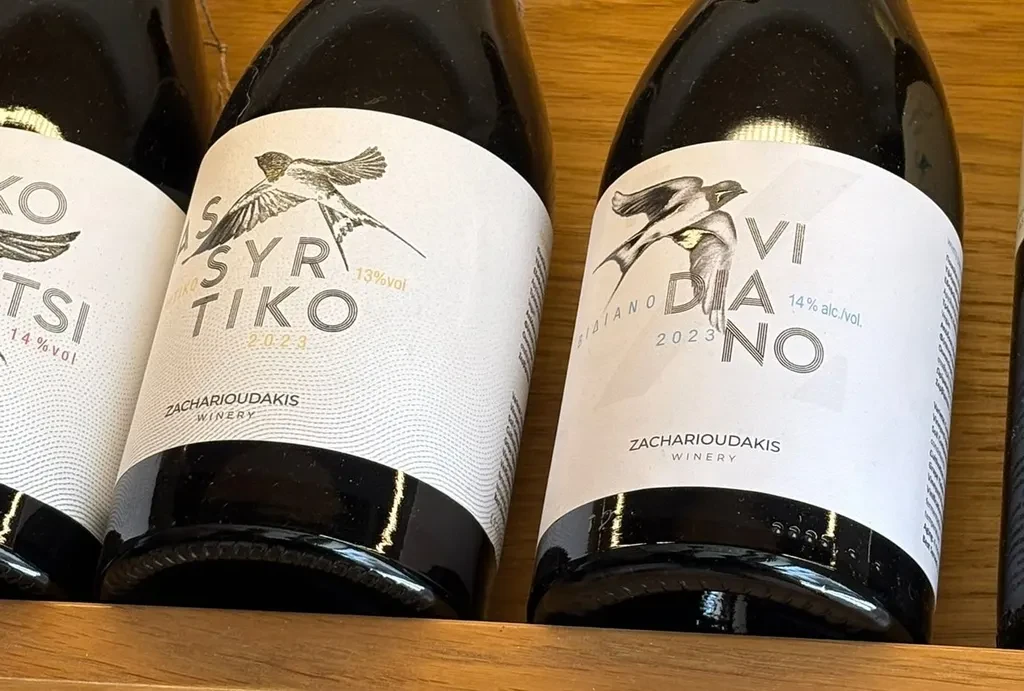
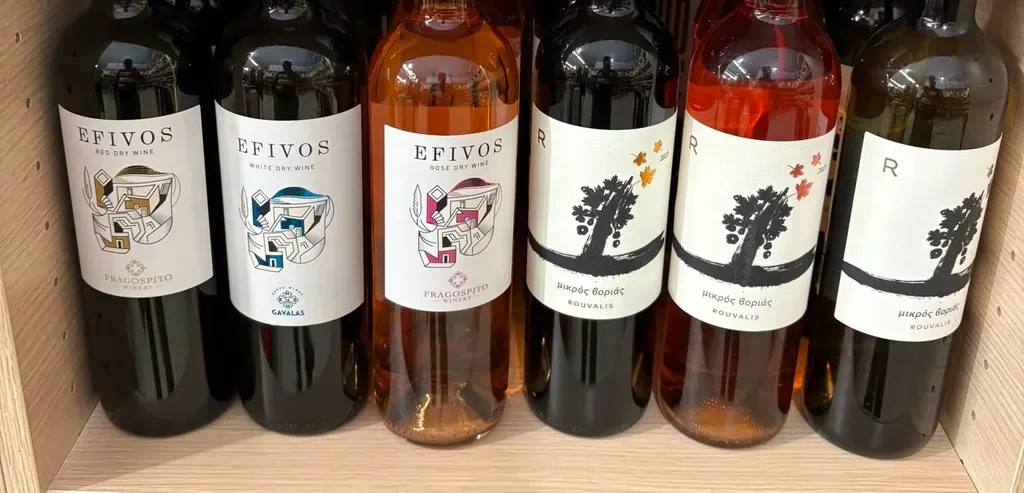
Liatiko is one of Crete’s oldest red grape varieties and one of its most intriguing.
Despite its pale color, Liatiko can produce complex wines with high alcohol and remarkable aromatic depth. It’s also traditionally used for sweet wines, adding to its versatility.
Delicate in appearance but expressive in aroma—think dried fruits, rose petals, warm spices, and hints of sun-dried tomato. The palate is often soft, with moderate tannins and lively acidity.
Liatiko is perfect for those who appreciate nuanced, aromatic reds. It’s often compared to lighter styles of Pinot Noir but with a uniquely Cretan twist.
Once overshadowed by more widely planted varieties, Plyto is now being rediscovered by quality-focused producers.
Plyto is well adapted to Crete’s dry conditions and tends to produce wines with naturally balanced acidity and alcohol.
Fresh and understated, with notes of citrus, green apple, and subtle floral tones. It often shows a clean, mineral-driven profile.
For lovers of crisp, elegant whites, Plyto offers a refined and refreshing alternative that highlights Crete’s terroir without overpowering the palate.

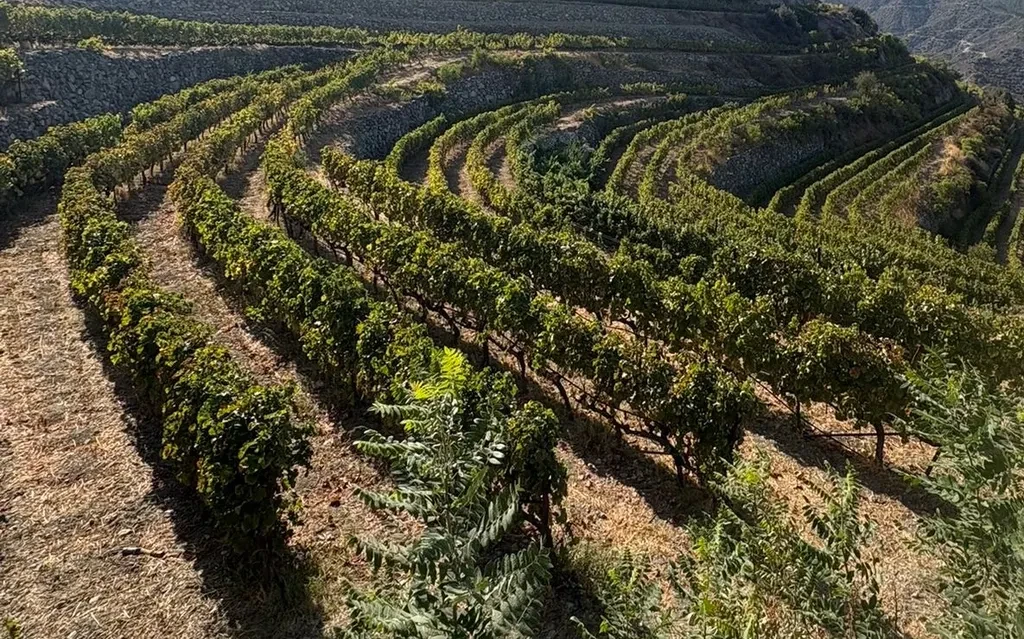
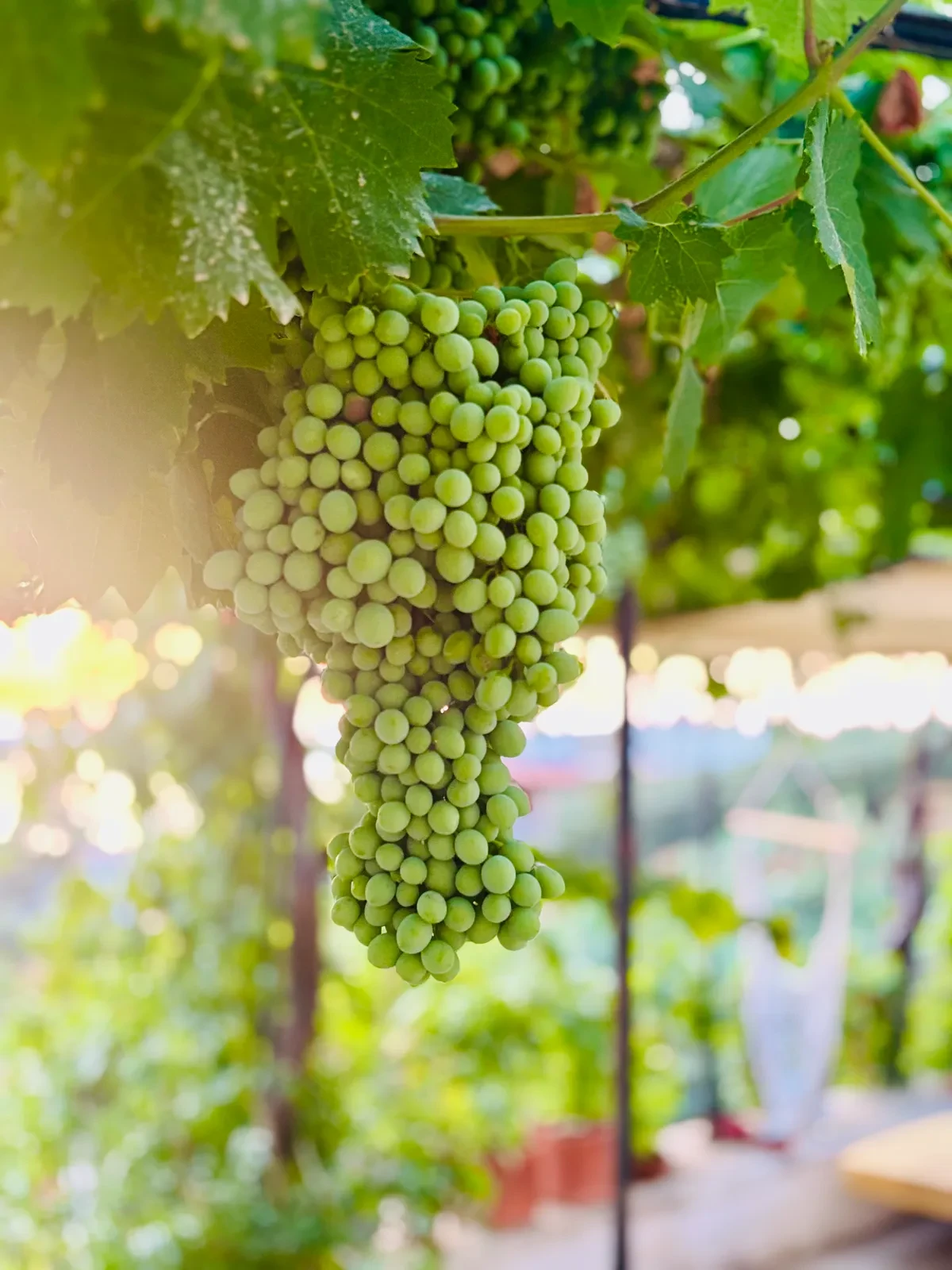
Vilana is the most widely planted white grape in Crete and has long been the backbone of the island’s wine production.
Historically associated with simpler wines, Vilana is now being reimagined by modern winemakers who are focusing on quality over quantity.
Light and refreshing, with citrus, pear, and herbal notes. When carefully crafted, it can show surprising depth and balance.
Vilana represents the evolution of Cretan wine—from everyday drinking to thoughtful, terroir-driven expressions. It’s approachable, versatile, and increasingly refined.
Together with the varieties explored in Part 1, these grapes reveal the full spectrum of Crete’s wine identity—from powerful, structured reds like Mandilari to delicate, aromatic expressions like Liatiko, and from crisp whites like Plyto to the revitalized classic Vilana.
Crete’s strength lies in its diversity. While international varieties are grown here, it’s the indigenous grapes that truly capture the island’s character.
As we move through 2026, these lesser-known varieties are gaining traction among sommeliers, collectors, and curious wine drinkers alike. Exploring them isn’t just about tasting something new—it’s about discovering a wine culture that’s both ancient and evolving.
Questions
Mandilari produces deeply colored, tannic red wines with dark fruit flavors and strong structure, often suitable for aging.
Liatiko is typically lighter in color but can be complex and relatively high in alcohol, offering a balance between elegance and intensity.
Plyto is usually fresh and crisp, with citrus and green fruit notes, along with a subtle mineral character.
Yes—while historically used for simple wines, modern winemaking has significantly improved Vilana’s quality and expression.
Most of these varieties are primarily grown in Crete, making them unique to the island and part of its distinctive wine identity.
For reds, start with Kotsifali or Liatiko; for whites, Vidiano or Thrapsathiri are excellent entry points before exploring more niche varieties like Plyto or Dafni.
Discussion
Tags
Related
Jul 23, 2026
Some of the best wine tasting in Crete doesn't happen at a table — it happens on the water. Here's how to pair a coastal boat trip with a proper Cretan wine tasting.

Crete has been making wine for four thousand years, long before "natural" was a label. Here's what's really shifting among the island's producers — and what it means for what's in your glass.
Jul 9, 2026
You don't need a tasting menu or a special occasion. Here's how to match Crete's indigenous wines to the meals you're already cooking tonight.
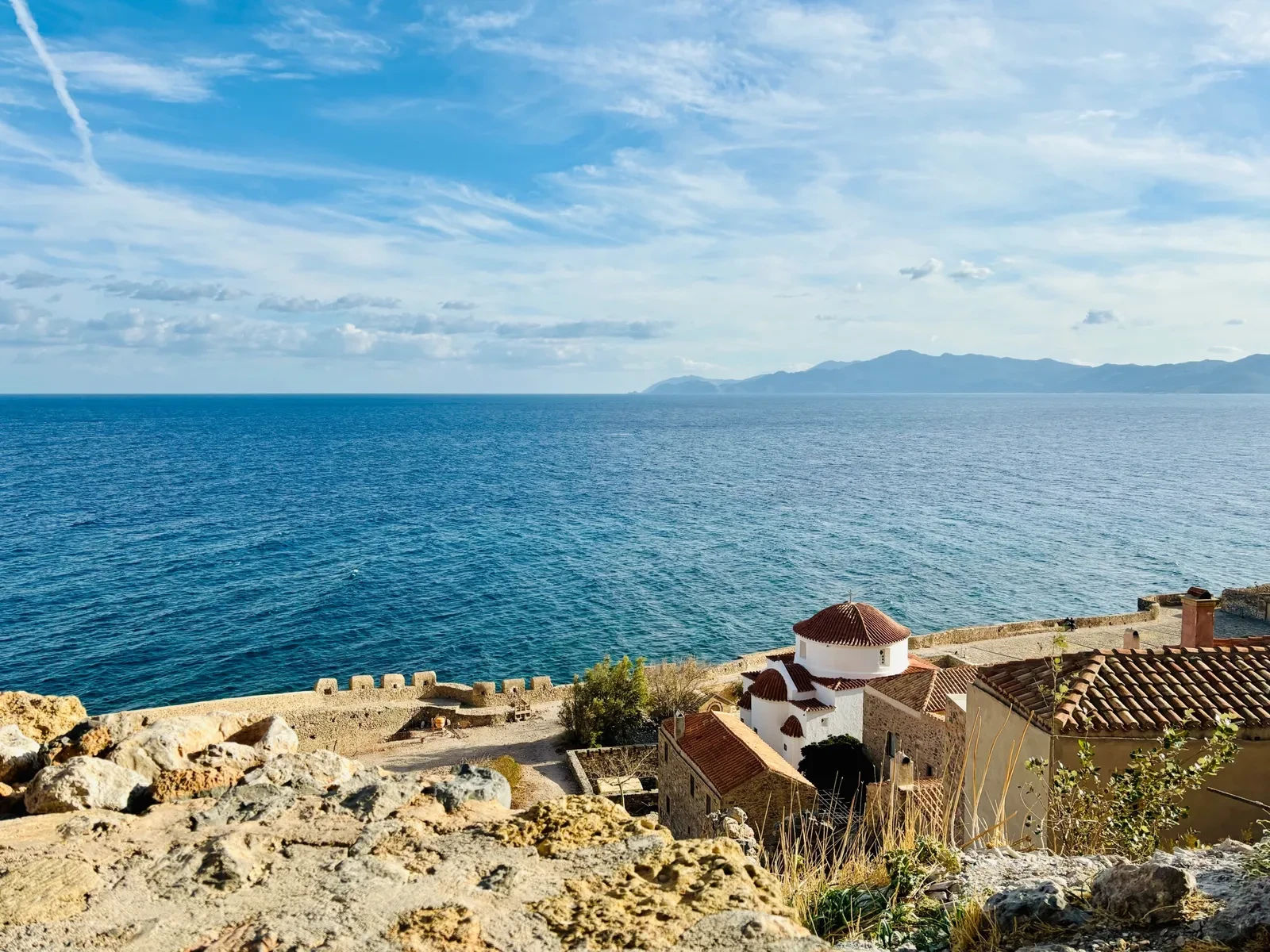
Mediterranean wines are having a major moment in 2026. From fresh whites to elegant reds, discover why these sun-soaked regions are capturing the attention of wine lovers worldwide—and what to try next.
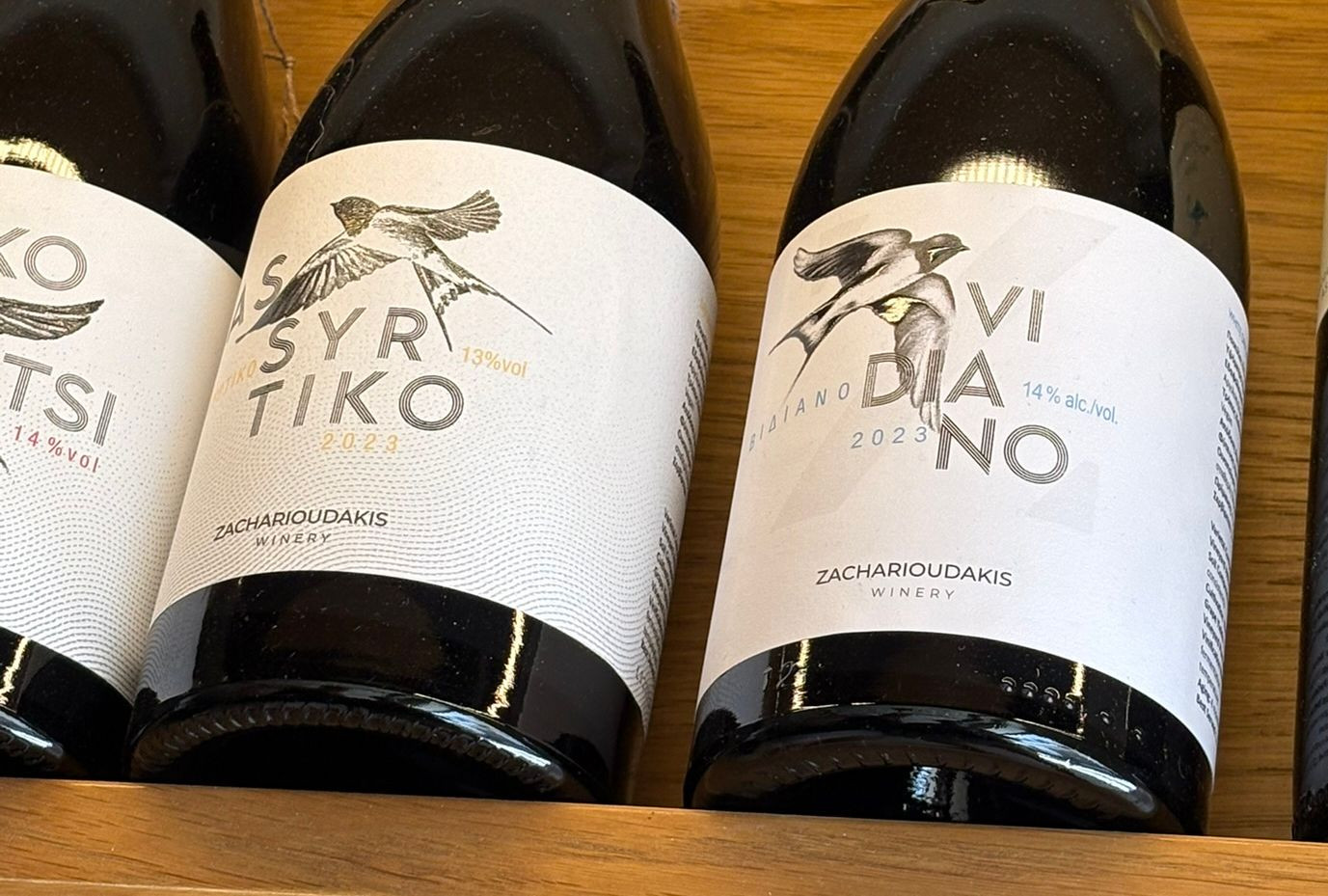
Explore the essential Cretan grape varieties in this 2026 guide—Vidiano, Kotsifali, Thrapsathiri, and Dafni. From rich, textured whites to aromatic rarities and elegant reds, discover what makes these indigenous grapes unique and why they’re gaining global attention.
Mar 25, 2026
We started Skywine because wine should feel like an invitation, not a test. Here's the story behind why we built it, and what we're here to do.
Jul 23, 2026
Some of the best wine tasting in Crete doesn't happen at a table — it happens on the water. Here's how to pair a coastal boat trip with a proper Cretan wine tasting.
Crete has been making wine for four thousand years, long before "natural" was a label. Here's what's really shifting among the island's producers — and what it means for what's in your glass.
Jul 9, 2026
You don't need a tasting menu or a special occasion. Here's how to match Crete's indigenous wines to the meals you're already cooking tonight.
Mediterranean wines are having a major moment in 2026. From fresh whites to elegant reds, discover why these sun-soaked regions are capturing the attention of wine lovers worldwide—and what to try next.
Explore the essential Cretan grape varieties in this 2026 guide—Vidiano, Kotsifali, Thrapsathiri, and Dafni. From rich, textured whites to aromatic rarities and elegant reds, discover what makes these indigenous grapes unique and why they’re gaining global attention.
Mar 25, 2026
We started Skywine because wine should feel like an invitation, not a test. Here's the story behind why we built it, and what we're here to do.
Jul 23, 2026
Some of the best wine tasting in Crete doesn't happen at a table — it happens on the water. Here's how to pair a coastal boat trip with a proper Cretan wine tasting.
Crete has been making wine for four thousand years, long before "natural" was a label. Here's what's really shifting among the island's producers — and what it means for what's in your glass.
Jul 9, 2026
You don't need a tasting menu or a special occasion. Here's how to match Crete's indigenous wines to the meals you're already cooking tonight.
Mediterranean wines are having a major moment in 2026. From fresh whites to elegant reds, discover why these sun-soaked regions are capturing the attention of wine lovers worldwide—and what to try next.
Explore the essential Cretan grape varieties in this 2026 guide—Vidiano, Kotsifali, Thrapsathiri, and Dafni. From rich, textured whites to aromatic rarities and elegant reds, discover what makes these indigenous grapes unique and why they’re gaining global attention.
Mar 25, 2026
We started Skywine because wine should feel like an invitation, not a test. Here's the story behind why we built it, and what we're here to do.
Stay Connected
New events, tastings, and wine stories — delivered occasionally.