
Jul 23, 2026
Wine Tasting and Boating on the Coast of Crete
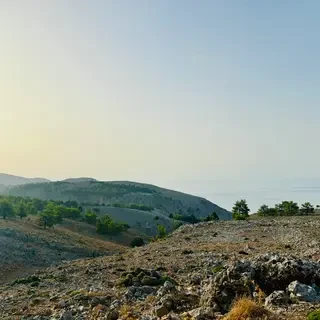
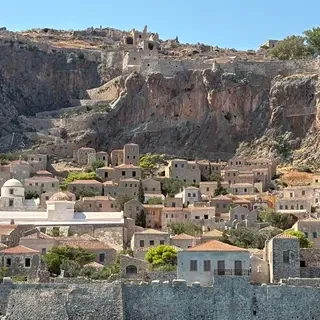
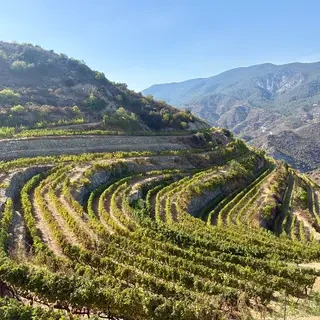
Some of the best wine tasting in Crete doesn't happen at a table — it happens on the water. Here's how to pair a coastal boat trip with a proper Cretan wine tasting.
March 31, 2026
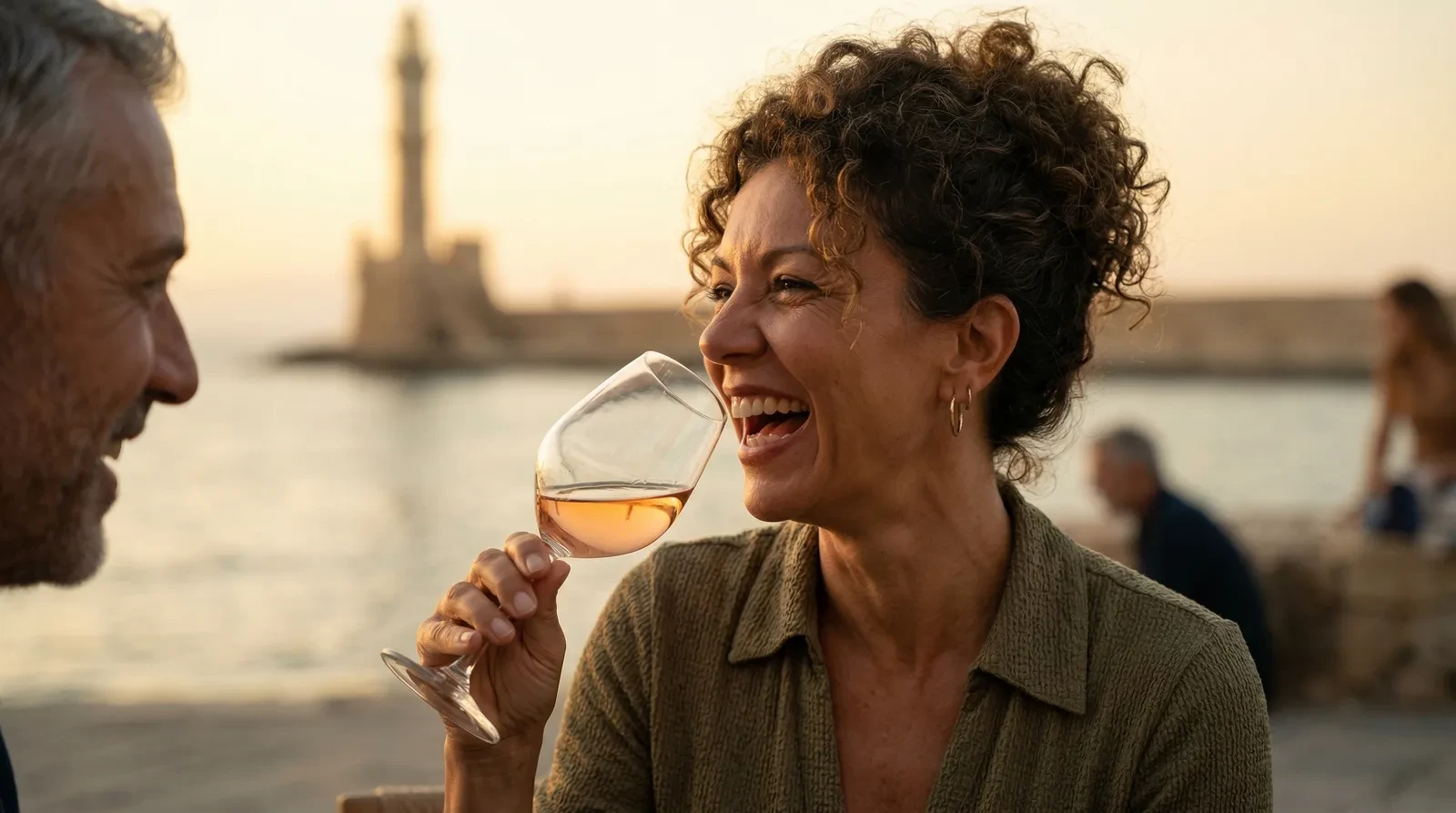
You don't need technical knowledge or a sommelier's vocabulary. You just need to slow down and pay attention. Here's how to get more out of every glass.
The Article
Not the sommelier with twenty years of experience, not the winemaker who has spent a lifetime in the vineyard. Tasting is a skill, and like all skills it is learned — slowly, enjoyably, one glass at a time.
The good news is that you already have everything you need. A nose, a palate, and a willingness to pay attention. That's it. The rest is just practice.
Here's how to get more out of every glass.
Pour a small amount — about a third of the glass — and take a moment before you do anything else. Look at the wine. Hold it up to the light. Notice the colour, the depth, the way it moves. A deep ruby tells a different story to a pale garnet. A rich golden white is not the same wine as a pale straw one. Colour is your first clue.
Now tilt the glass and look at the edge — the rim — against a white background if you can. In red wines, a purple rim suggests youth; a brick or orange edge suggests age. Already, before a single sip, you are reading the wine.
Swirl the glass. Not aggressively — a gentle circular motion is enough. This exposes the wine to oxygen and releases its aromas. You'll notice the difference immediately between a wine straight from the pour and one that has had thirty seconds of air. Some wines need longer. Some open up dramatically over the course of an evening. Pay attention to how a wine changes in the glass — it tells you a great deal about what you're drinking.
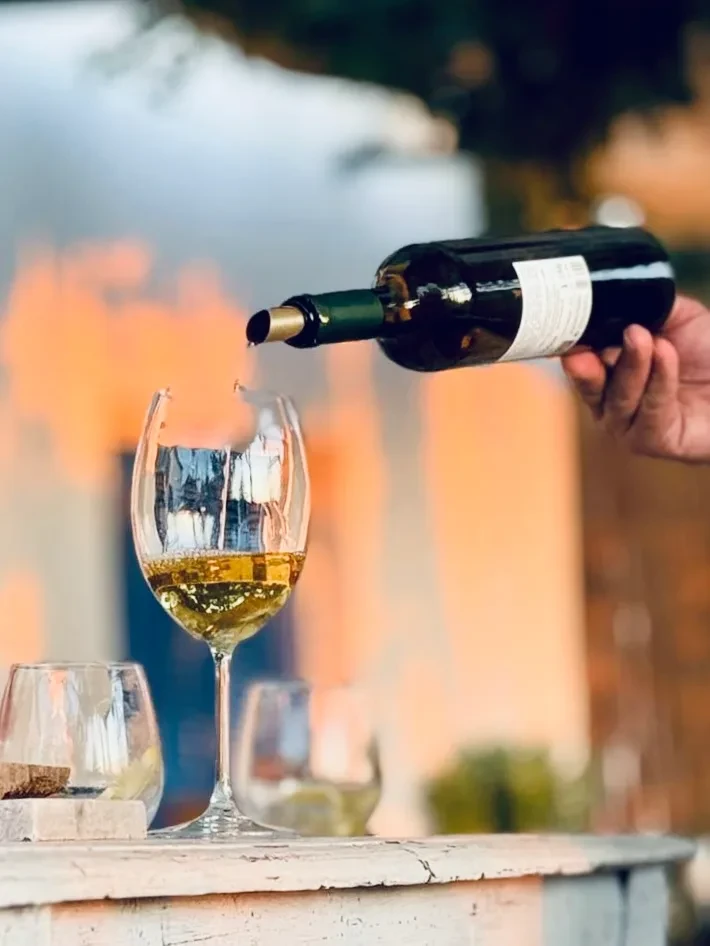
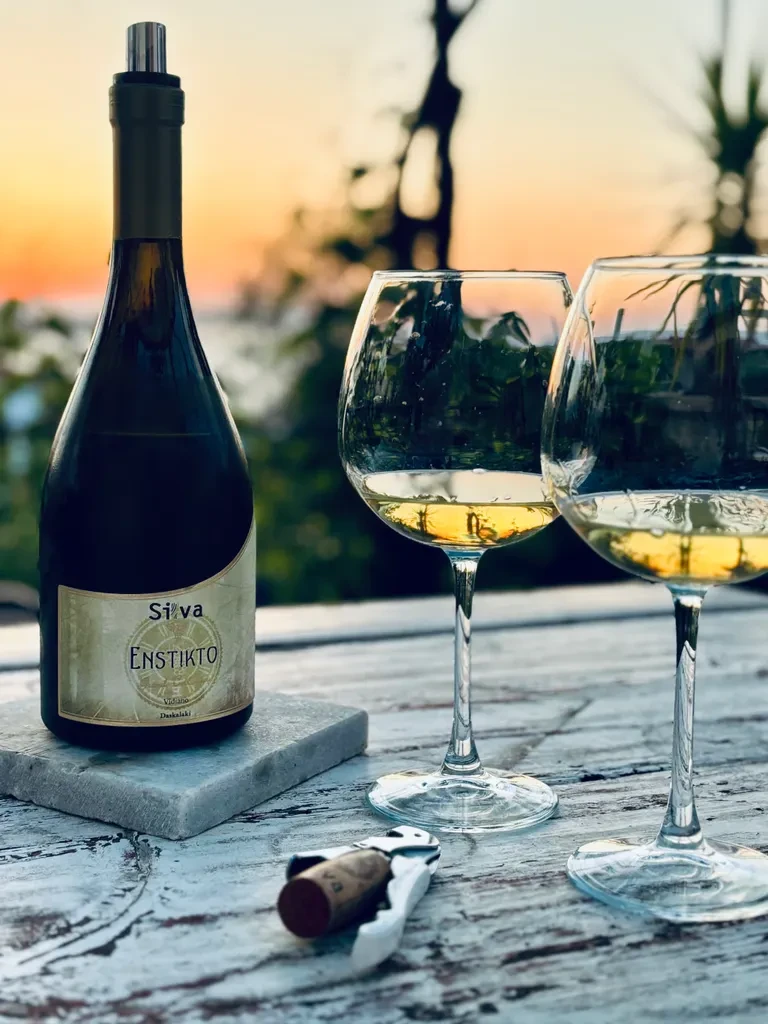
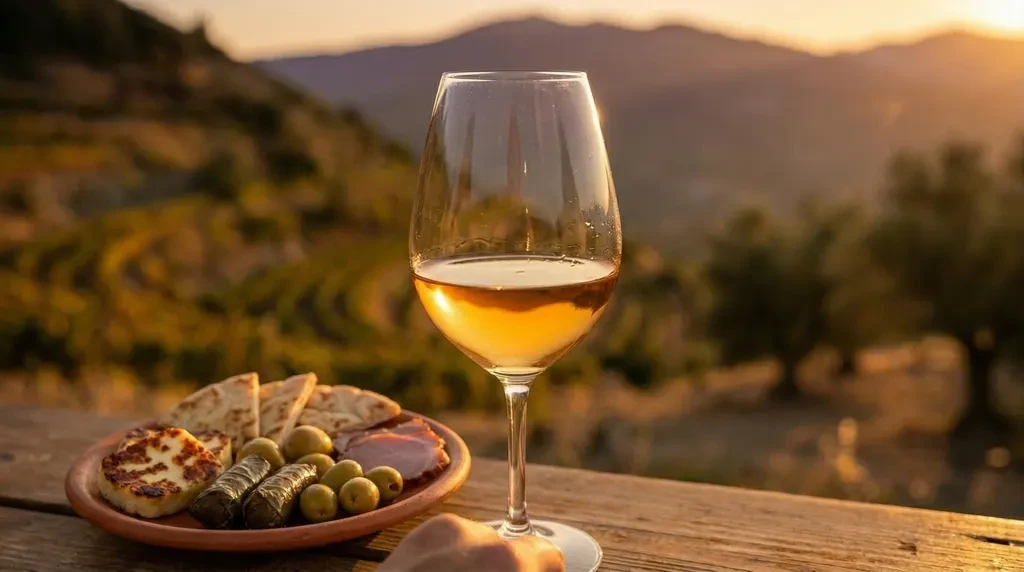
Put your nose into the glass — not hovering above it, actually in it — and take a slow, deep breath. Don't think too hard. Just notice what comes to you. Fruit, yes, but what kind? Red fruit or dark fruit, citrus or stone fruit, fresh or dried? Beyond fruit, what else is there? Herbs, earth, spice, oak, flowers, something mineral and stony, something rich and creamy?
There are no wrong answers. If a wine smells like a pencil sharpener to you and violets to someone else, you are both right. Aroma is personal, and the language you use to describe it is less important than the act of paying attention.
Come back for a second smell. The first impression is rarely the whole picture.
When you finally taste, resist the urge to swallow immediately. Let the wine sit in your mouth for a few seconds. Move it around. Let it reach every part of your palate — the tip of your tongue, the sides, the back. Each area picks up something different: sweetness at the front, acidity at the sides, bitterness and tannin at the back.
Notice the texture as much as the flavour. Is it light and delicate, or rich and full? Are the tannins silky or grippy? Is the acidity bright and refreshing, or soft and low? Does it feel balanced — where no single element dominates — or is something out of place?
Swallow, and then notice what happens next. How long does the flavour linger? A wine that disappears the moment it's gone is telling you something. A wine whose flavour evolves and lingers for thirty seconds or more is telling you something very different. Length of finish is one of the most reliable indicators of quality, and it costs nothing to notice.
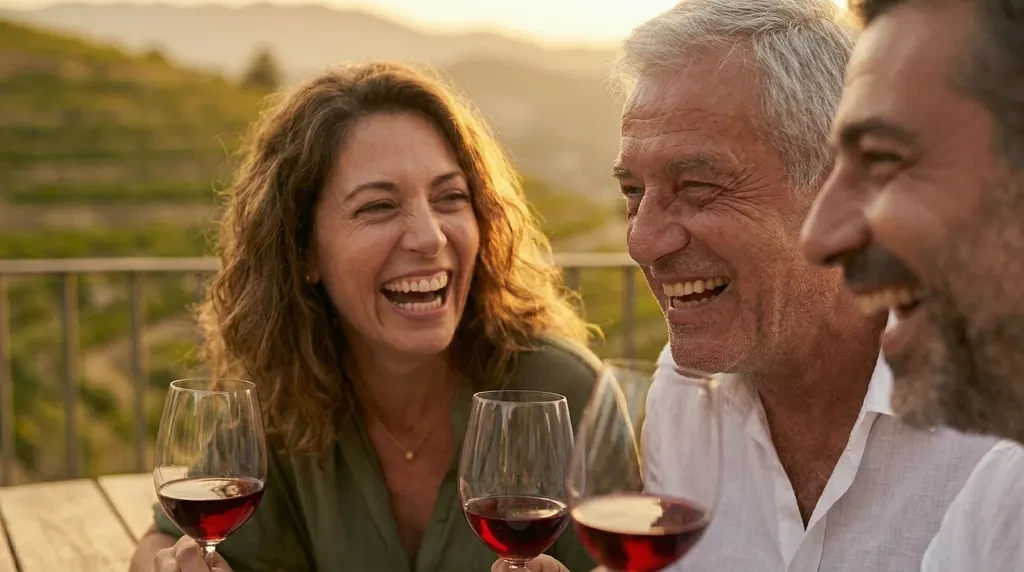
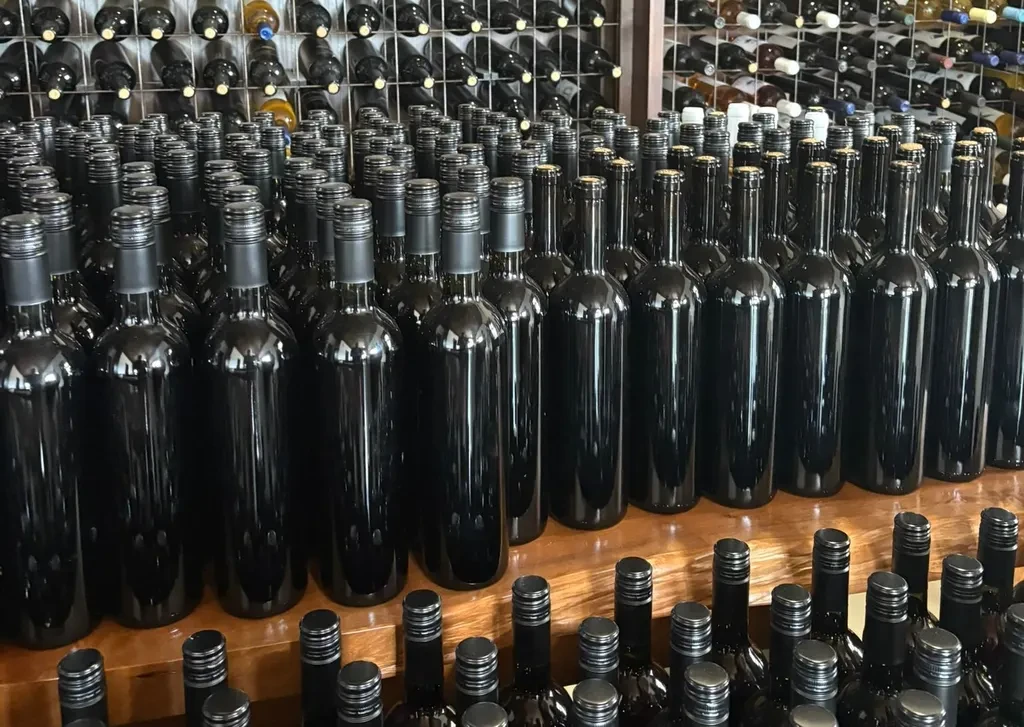
Return to the glass ten minutes later. Taste it again. Has it opened up? Changed character? Something you dismissed on first impression might have become something remarkable. One of the quiet pleasures of wine is that it rewards patience — it is almost never the same wine at the end of the evening as it was at the beginning.
All of this — the looking, the swirling, the smelling, the holding — is simply a way of slowing down enough to actually notice what's there. Wine rewards attention. The more you give it, the more it gives back.
You don't need a technical vocabulary. You don't need to have visited the region or read the vintage reports. You just need to be present, curious, and willing to trust what you're experiencing in the glass in front of you.
That's what tasting wine like you mean it actually looks like.
The best way to develop your palate is in good company, with wines worth paying attention to. Join us at a Skywine tasting event — find upcoming dates at skywine.vin
Questions
Not at all — spitting is a practical tool used by professionals who taste dozens of wines in a single session. At a Skywine tasting event, the pours are measured and the pace is relaxed.
Enjoy the wine.
Tannin is a naturally occurring compound found in grape skins, seeds, and stems. It creates that drying, grippy sensation in your mouth — particularly in red wines. High tannin wines tend to age well; low tannin wines are typically softer and more approachable young.
Many things affect how we perceive wine — what we've eaten, the temperature of the wine, the glass it's served in, even our own mood and energy levels.
This is part of what makes wine so endlessly interesting.
Aroma typically refers to the smells that come from the grape itself — fruit, floral, herbal notes. Bouquet refers to smells that develop through winemaking and ageing — oak, vanilla, earth, leather. In practice, most people use the terms interchangeably, and that's perfectly fine.
Simply by tasting more wine, paying attention, and comparing notes — ideally with other people. Tasting events are one of the best environments for this, because you can taste the same wine as others and discover how differently the same glass can be experienced.
Discussion
Related
Jul 23, 2026
Some of the best wine tasting in Crete doesn't happen at a table — it happens on the water. Here's how to pair a coastal boat trip with a proper Cretan wine tasting.
Jul 9, 2026
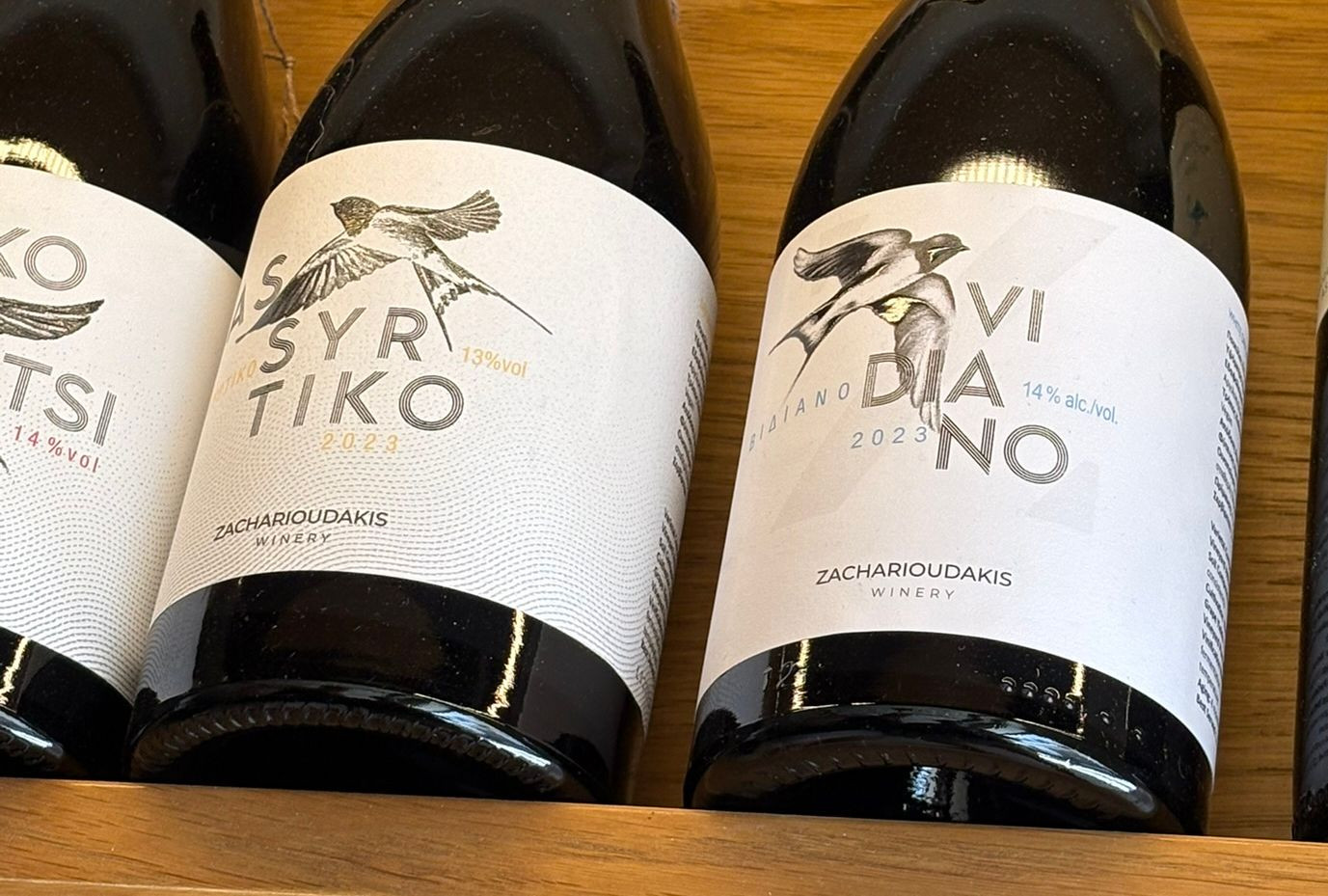
You don't need a tasting menu or a special occasion. Here's how to match Crete's indigenous wines to the meals you're already cooking tonight.
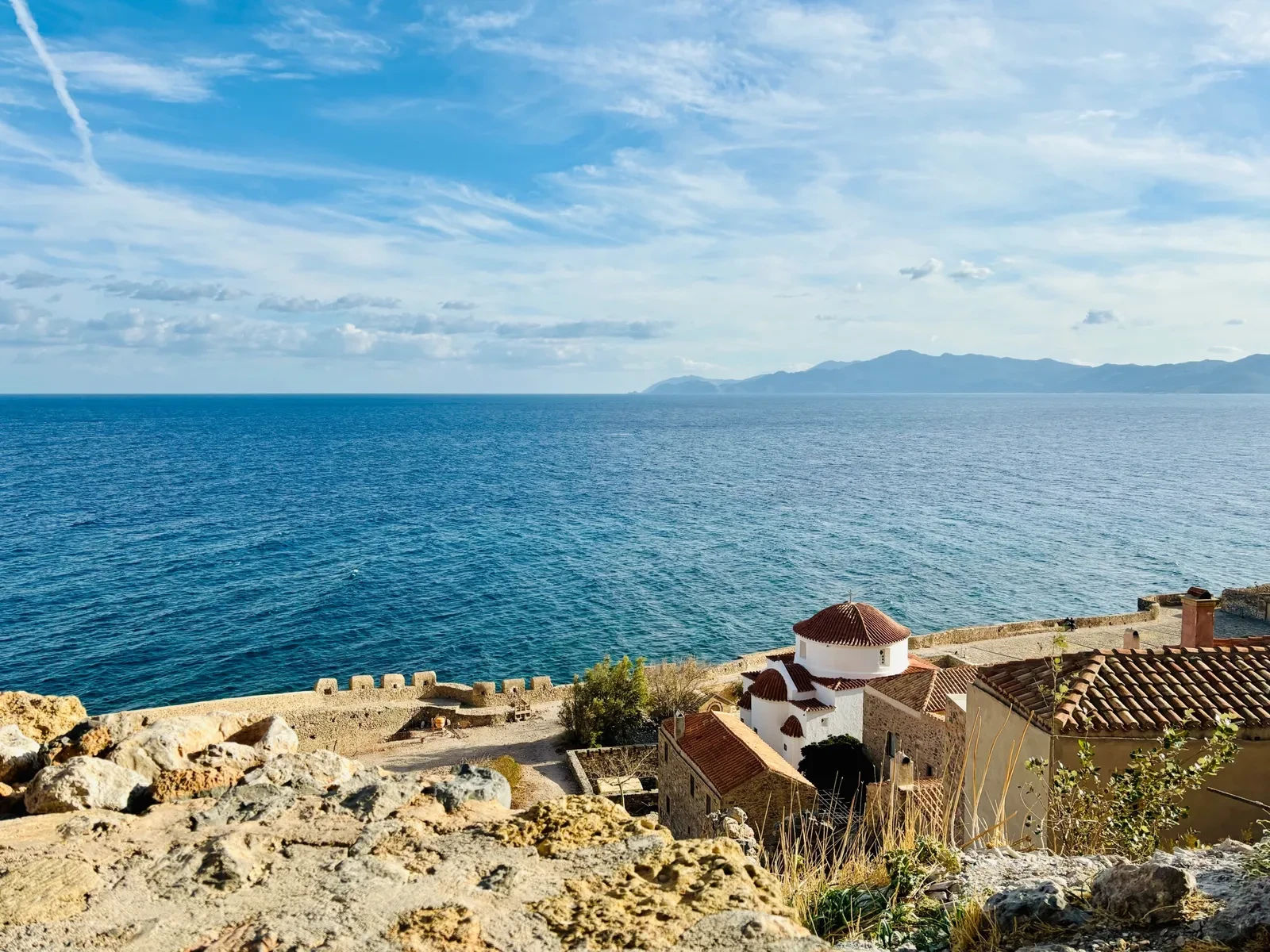
Mediterranean wines are having a major moment in 2026. From fresh whites to elegant reds, discover why these sun-soaked regions are capturing the attention of wine lovers worldwide—and what to try next.
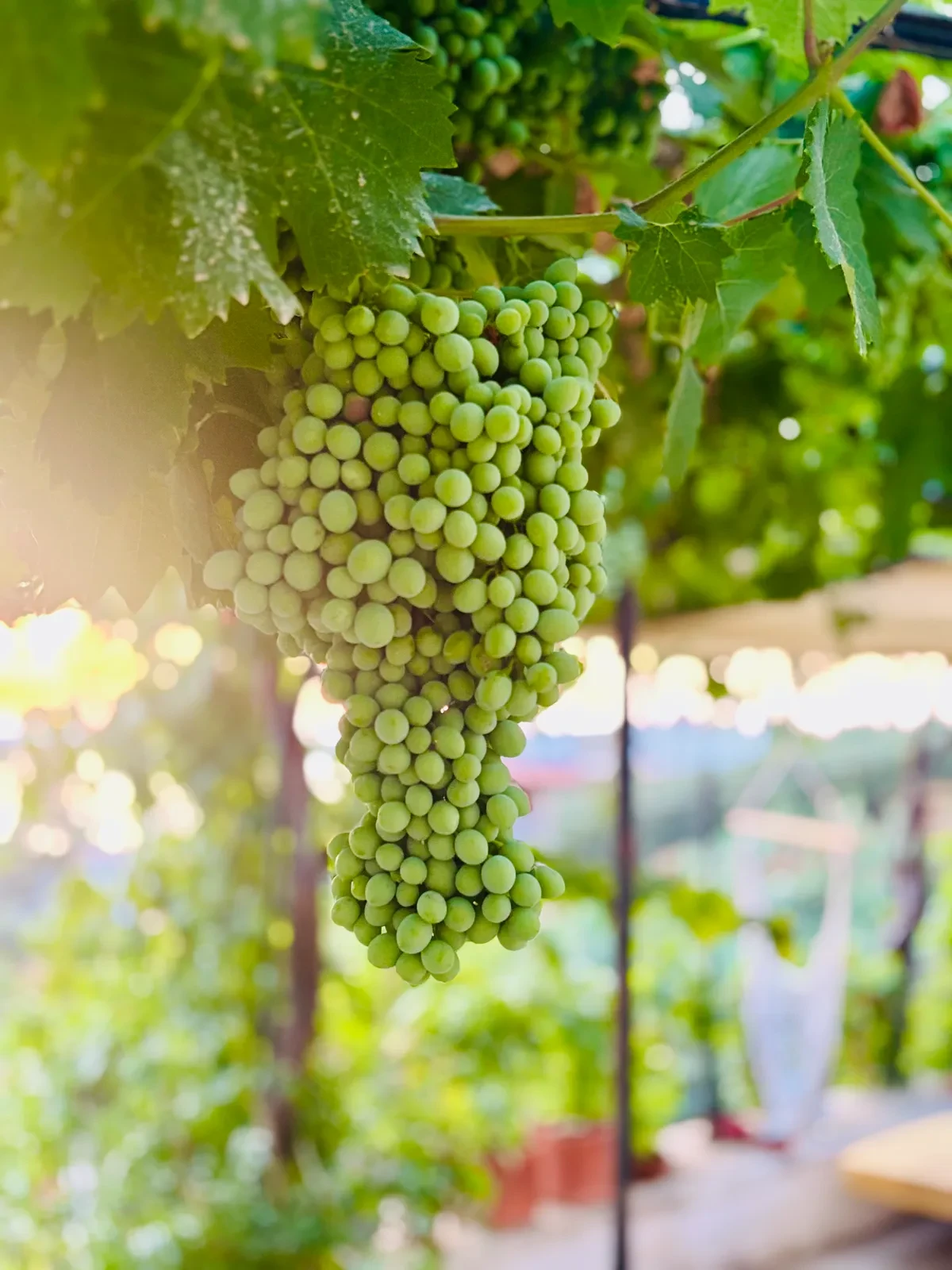
Explore the essential Cretan grape varieties in this 2026 guide—Vidiano, Kotsifali, Thrapsathiri, and Dafni. From rich, textured whites to aromatic rarities and elegant reds, discover what makes these indigenous grapes unique and why they’re gaining global attention.
Mar 31, 2026
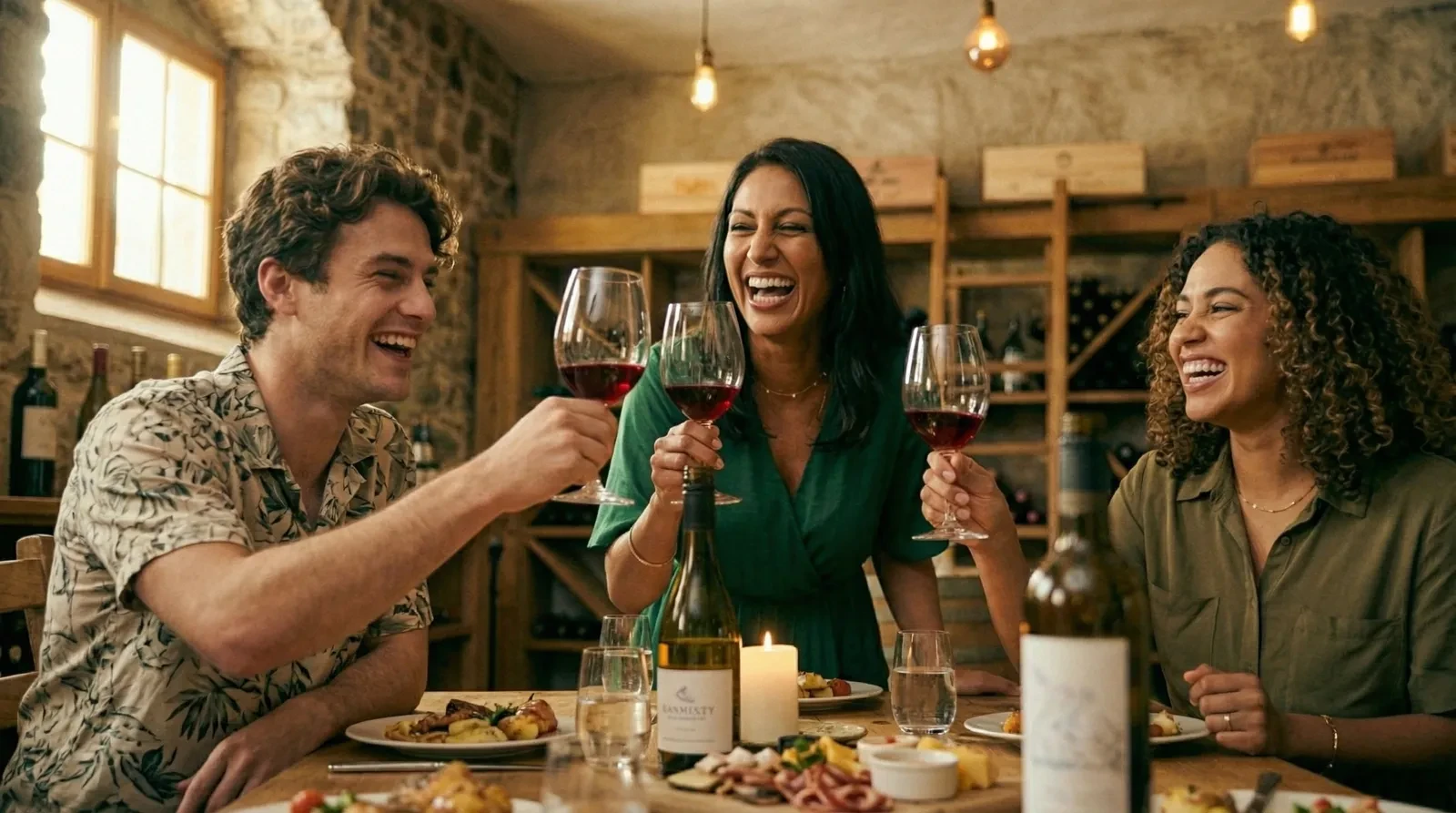
A great tasting event is built around an idea, not a list. Here's how Skywine designs evenings that leave people knowing something they didn't know before.
Mar 25, 2026
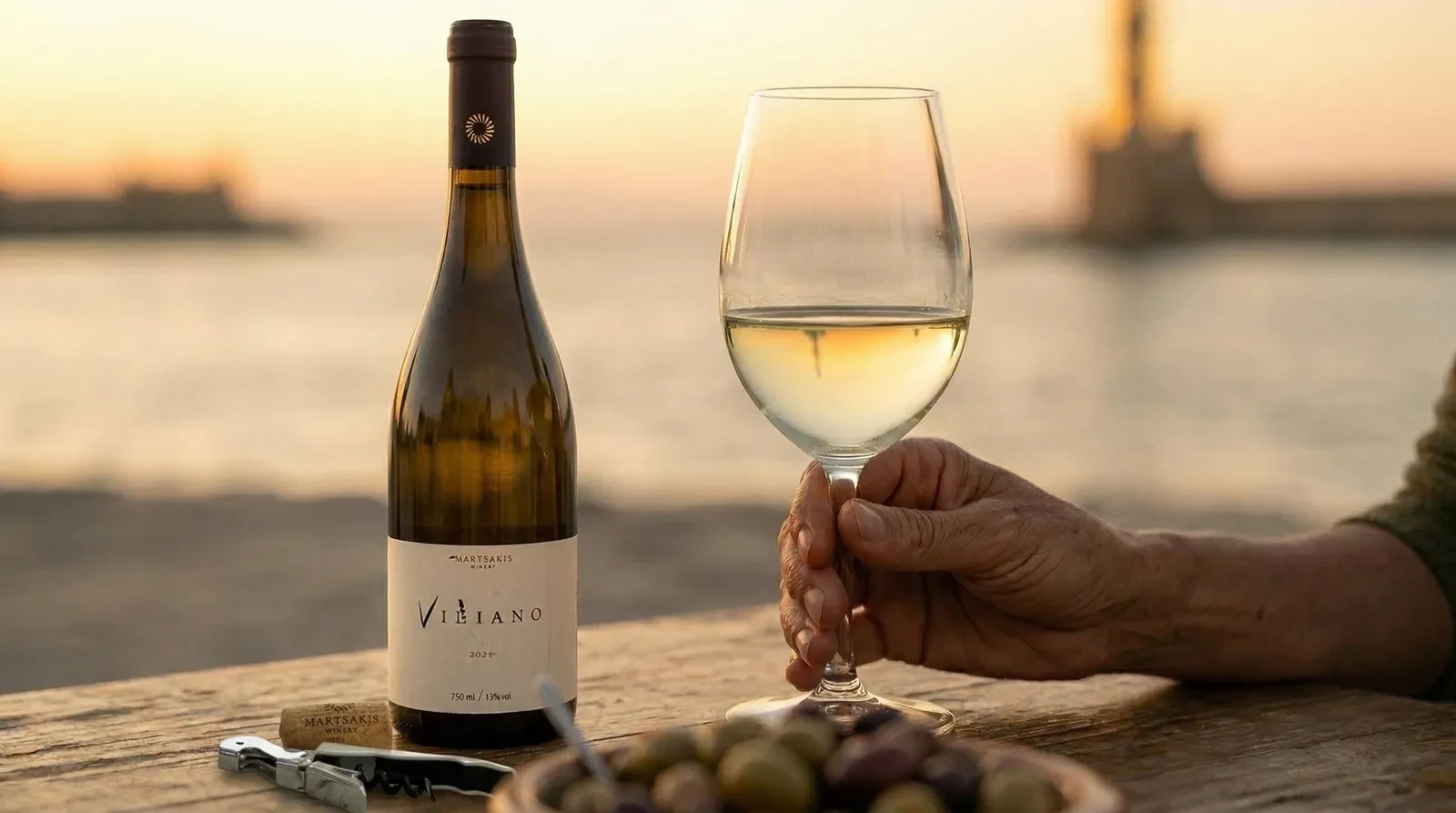
We started Skywine because wine should feel like an invitation, not a test. Here's the story behind why we built it, and what we're here to do.
Jul 23, 2026
Some of the best wine tasting in Crete doesn't happen at a table — it happens on the water. Here's how to pair a coastal boat trip with a proper Cretan wine tasting.
Jul 9, 2026
You don't need a tasting menu or a special occasion. Here's how to match Crete's indigenous wines to the meals you're already cooking tonight.
Mediterranean wines are having a major moment in 2026. From fresh whites to elegant reds, discover why these sun-soaked regions are capturing the attention of wine lovers worldwide—and what to try next.
Explore the essential Cretan grape varieties in this 2026 guide—Vidiano, Kotsifali, Thrapsathiri, and Dafni. From rich, textured whites to aromatic rarities and elegant reds, discover what makes these indigenous grapes unique and why they’re gaining global attention.
Mar 31, 2026
A great tasting event is built around an idea, not a list. Here's how Skywine designs evenings that leave people knowing something they didn't know before.
Mar 25, 2026
We started Skywine because wine should feel like an invitation, not a test. Here's the story behind why we built it, and what we're here to do.
Jul 23, 2026
Some of the best wine tasting in Crete doesn't happen at a table — it happens on the water. Here's how to pair a coastal boat trip with a proper Cretan wine tasting.
Jul 9, 2026
You don't need a tasting menu or a special occasion. Here's how to match Crete's indigenous wines to the meals you're already cooking tonight.
Mediterranean wines are having a major moment in 2026. From fresh whites to elegant reds, discover why these sun-soaked regions are capturing the attention of wine lovers worldwide—and what to try next.
Explore the essential Cretan grape varieties in this 2026 guide—Vidiano, Kotsifali, Thrapsathiri, and Dafni. From rich, textured whites to aromatic rarities and elegant reds, discover what makes these indigenous grapes unique and why they’re gaining global attention.
Mar 31, 2026
A great tasting event is built around an idea, not a list. Here's how Skywine designs evenings that leave people knowing something they didn't know before.
Mar 25, 2026
We started Skywine because wine should feel like an invitation, not a test. Here's the story behind why we built it, and what we're here to do.
Stay Connected
New events, tastings, and wine stories — delivered occasionally.