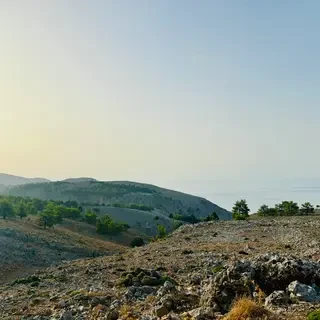
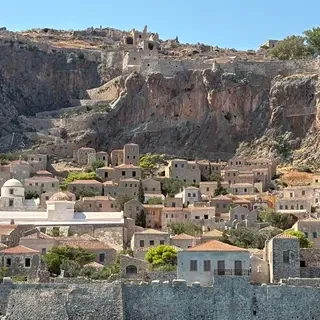
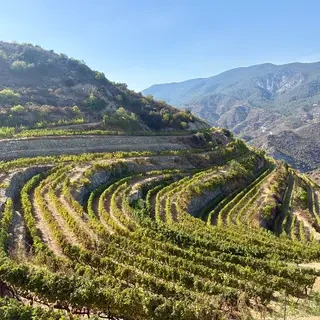

Certaines des meilleures dégustations de vin en Crète ne se passent pas à table — mais sur l'eau. Voici comment associer une sortie en bateau côtière à une véritable dégustation de vin crétois.
March 31, 2026
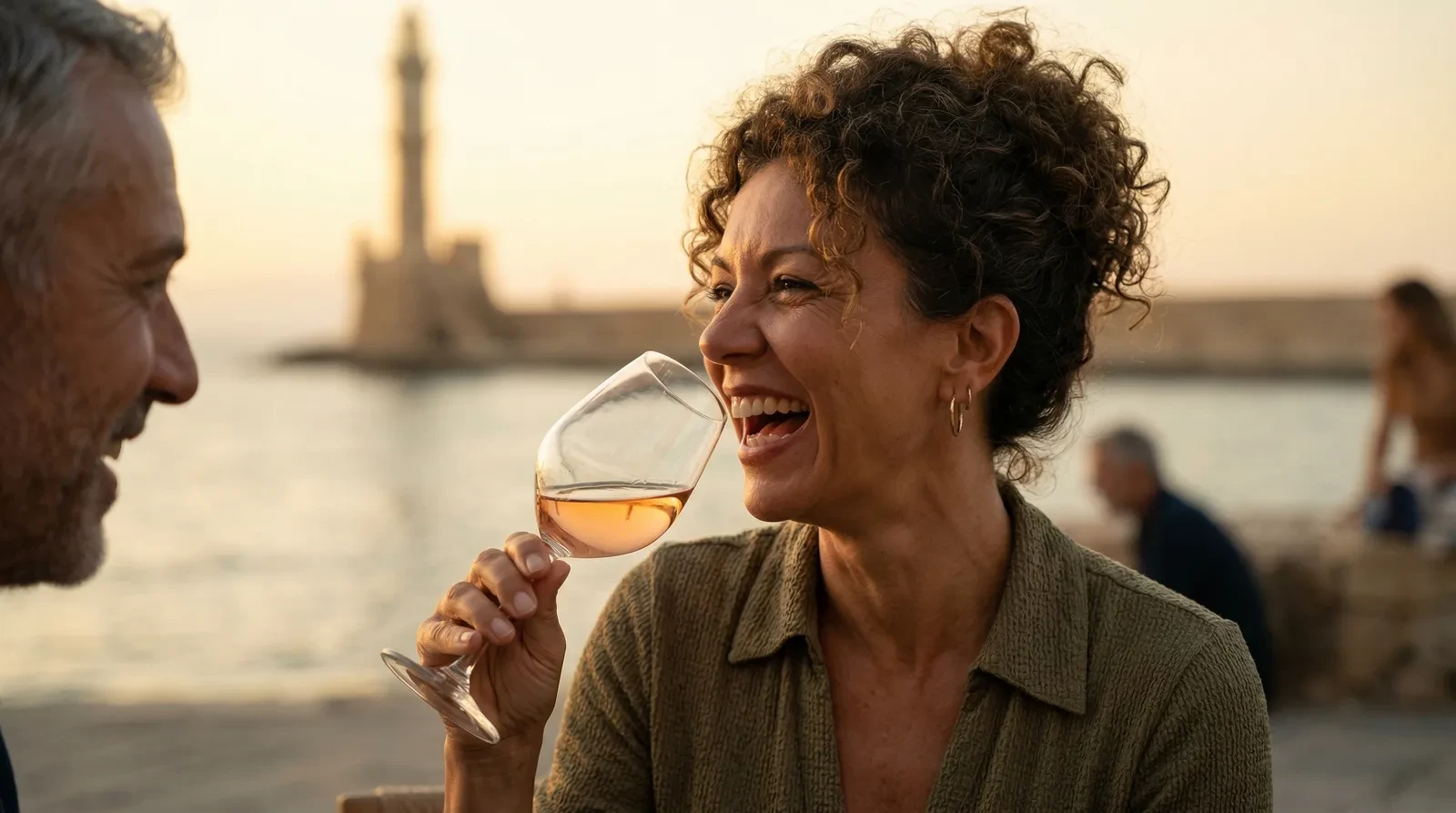
Vous n'avez pas besoin de connaissances techniques ni du vocabulaire d'un sommelier. Il vous suffit de ralentir et de faire attention. Voici comment tirer le meilleur de chaque verre.
L'Article
Ni le sommelier avec vingt ans d'expérience, ni le vigneron qui a passé toute une vie dans le vignoble. La dégustation est un savoir-faire, et comme tout savoir-faire, il s'acquiert — lentement, agréablement, un verre à la fois.
La bonne nouvelle, c'est que vous avez déjà tout ce qu'il vous faut. Un nez, un palais, et la volonté de faire attention. C'est tout. Le reste n'est que pratique.
Voici comment tirer le meilleur de chaque verre.
Versez une petite quantité — environ un tiers du verre — et prenez un moment avant de faire quoi que ce soit d'autre. Regardez le vin. Tenez-le à la lumière. Remarquez la couleur, la profondeur, la façon dont il se déplace. Un rouge grenat profond raconte une histoire différente d'un grenat pâle. Un blanc doré riche n'est pas le même vin qu'un blanc jaune pâle. La couleur est votre premier indice.
Inclinez maintenant le verre et regardez le bord — la robe — sur un fond blanc si possible. Dans les vins rouges, un liseré violet suggère la jeunesse ; un bord brique ou orangé suggère l'âge. Déjà, avant la moindre gorgée, vous lisez le vin.
Faites tourner le verre. Pas de manière agressive — un doux mouvement circulaire suffit. Cela expose le vin à l'oxygène et libère ses arômes. Vous remarquerez immédiatement la différence entre un vin juste versé et un vin qui a reçu trente secondes d'air. Certains vins ont besoin de plus. Certains s'ouvrent considérablement au cours d'une soirée. Faites attention à la façon dont un vin évolue dans le verre — cela vous en dit beaucoup sur ce que vous buvez.
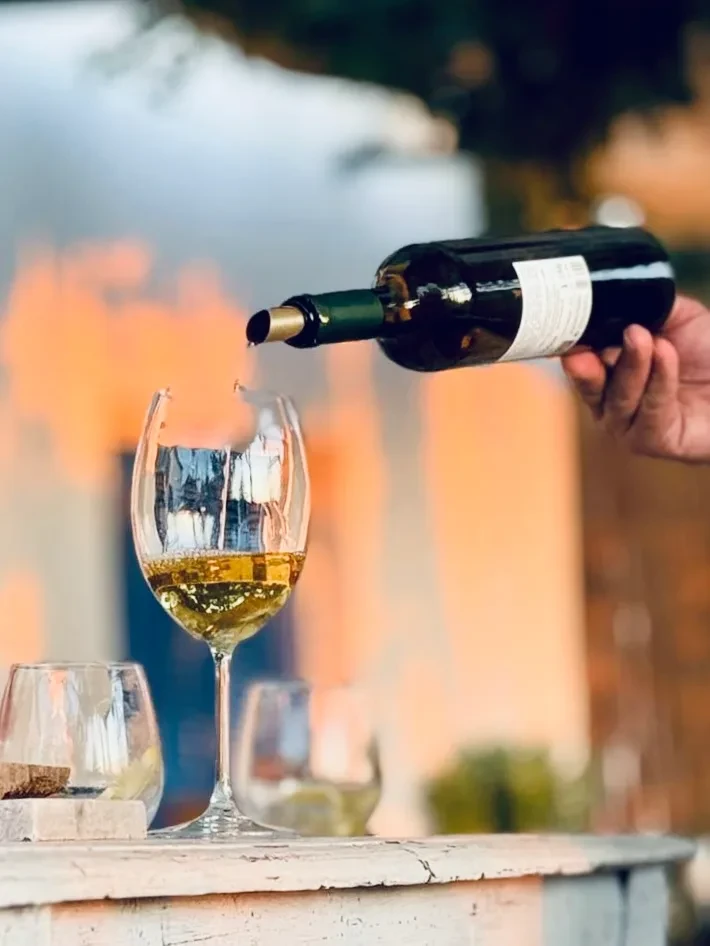
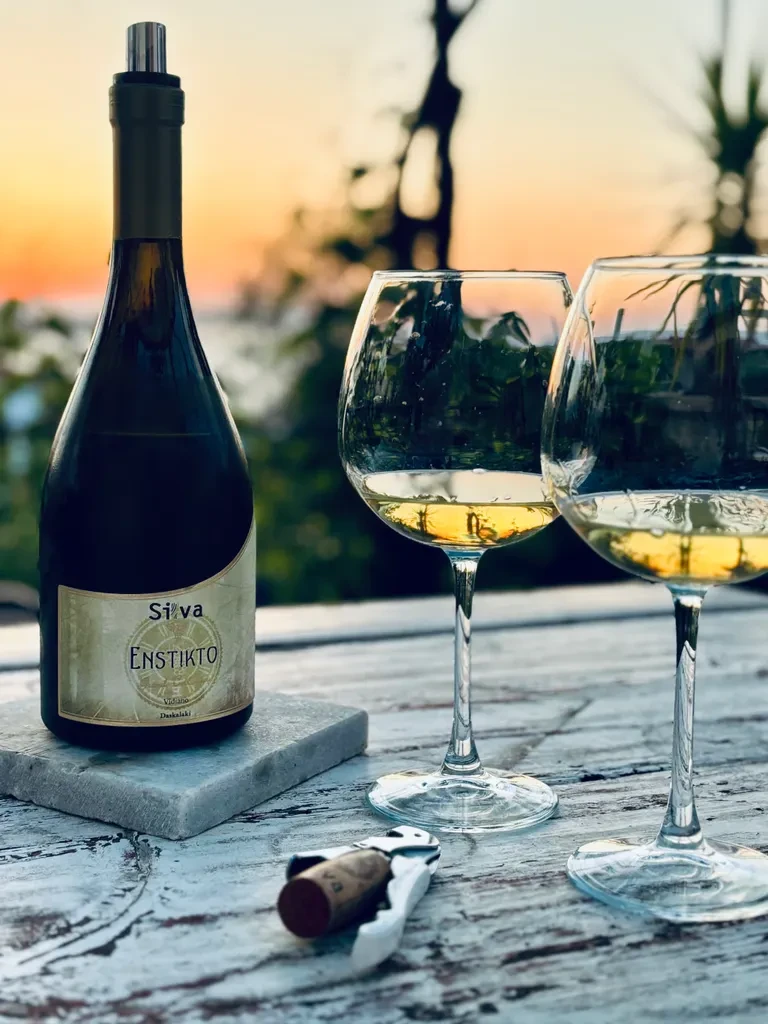
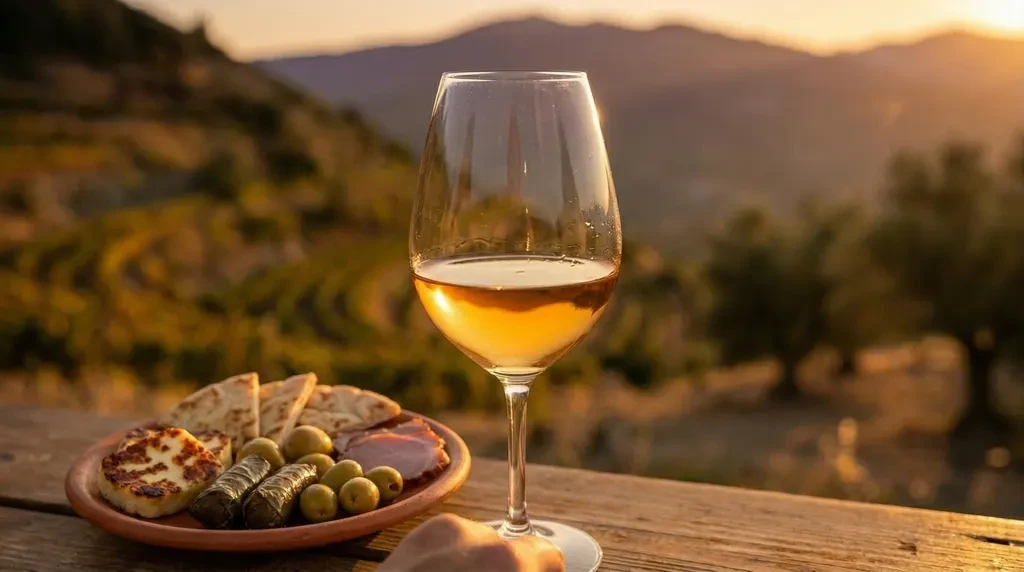
Mettez votre nez dans le verre — pas en surplomb, vraiment dedans — et respirez lentement et profondément. Ne réfléchissez pas trop. Remarquez simplement ce qui vous vient. Des fruits, oui, mais lesquels ? Des fruits rouges ou noirs, des agrumes ou des fruits à noyau, frais ou séchés ? Au-delà des fruits, qu'y a-t-il d'autre ? Des herbes, de la terre, des épices, du bois, des fleurs, quelque chose de minéral et pierreux, quelque chose de riche et crémeux ?
Il n'y a pas de mauvaises réponses. Si un vin vous rappelle un taille-crayon alors qu'il évoque des violettes à quelqu'un d'autre, vous avez tous les deux raison. L'arôme est personnel, et le vocabulaire que vous utilisez pour le décrire importe moins que l'acte de faire attention.
Revenez pour une deuxième senteur. La première impression est rarement l'image complète.
Quand vous goûtez enfin, résistez à l'envie d'avaler immédiatement. Laissez le vin reposer quelques secondes dans votre bouche. Faites-le tourner. Laissez-le atteindre chaque partie de votre palais — le bout de votre langue, les côtés, l'arrière. Chaque zone perçoit quelque chose de différent : la douceur à l'avant, l'acidité sur les côtés, l'amertume et les tanins à l'arrière.
Remarquez la texture autant que la saveur. Est-il léger et délicat, ou riche et plein ? Les tanins sont-ils soyeux ou astringents ? L'acidité est-elle vive et rafraîchissante, ou douce et basse ? Le tout semble-t-il équilibré — où aucun élément ne domine — ou quelque chose est-il mal placé ?
Avalez, puis remarquez ce qui se passe ensuite. Combien de temps la saveur persiste-t-elle ? Un vin qui disparaît dès qu'il est parti vous dit quelque chose. Un vin dont la saveur évolue et persiste pendant trente secondes ou plus vous dit quelque chose de très différent. La longueur de la finale est l'un des indicateurs de qualité les plus fiables, et il ne coûte rien de le remarquer.
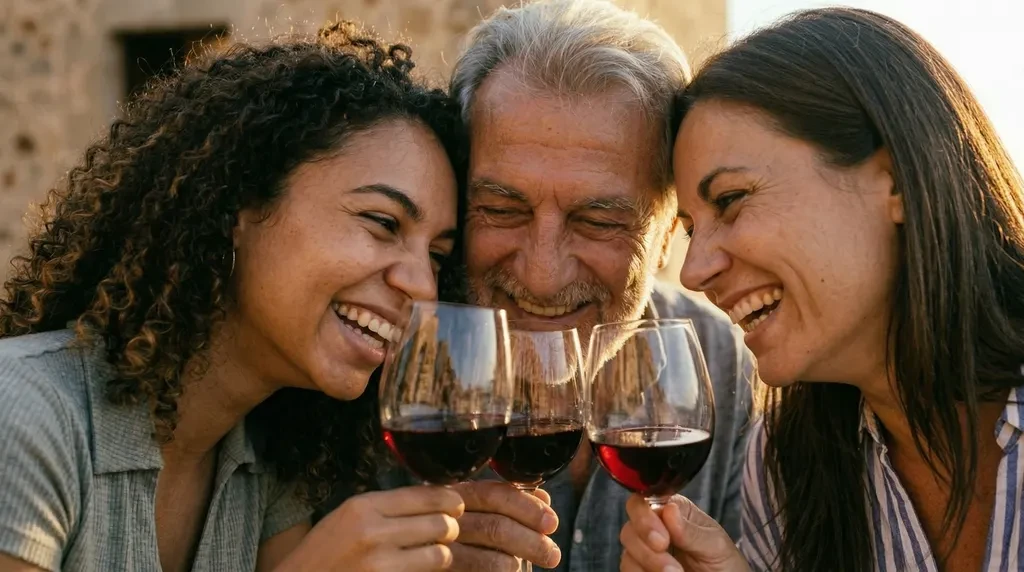
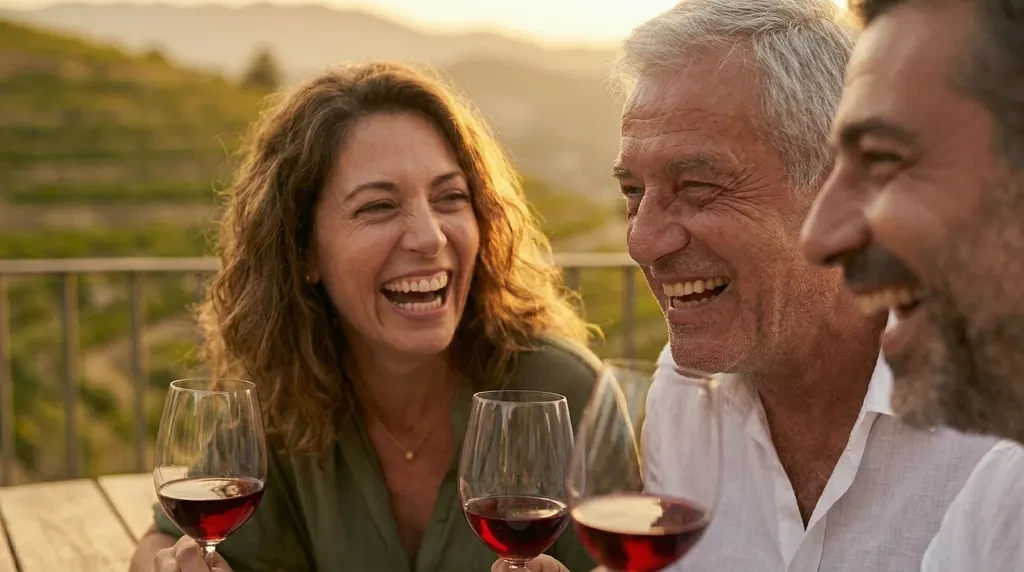
Revenez au verre dix minutes plus tard. Goûtez-le à nouveau. S'est-il ouvert ? A-t-il changé de caractère ? Quelque chose que vous avez rejeté à la première impression pourrait être devenu quelque chose de remarquable. L'un des plaisirs tranquilles du vin est qu'il récompense la patience — il n'est presque jamais le même vin en fin de soirée qu'en début.
Tout cela — regarder, faire tourner, sentir, retenir — est simplement une façon de ralentir suffisamment pour vraiment remarquer ce qui est là. Le vin récompense l'attention. Plus vous lui en accordez, plus il vous en rend.
Vous n'avez pas besoin d'un vocabulaire technique. Vous n'avez pas besoin d'avoir visité la région ou lu les rapports de millésime. Il vous suffit d'être présent, curieux, et prêt à faire confiance à ce que vous vivez dans le verre devant vous.
C'est à cela que ressemble vraiment déguster le vin avec intention.
La meilleure façon de développer votre palais est en bonne compagnie, avec des vins qui méritent qu'on y fasse attention. Rejoignez-nous lors d'un événement de dégustation Skywine — retrouvez les prochaines dates sur skywine.vin
Questions
Pas du tout — cracher est un outil pratique utilisé par les professionnels qui dégustent des dizaines de vins en une seule session. Lors d'un événement Skywine, les verres sont mesurés et le rythme est détendu.
Profitez du vin.
Le tanin est un composé naturel présent dans les peaux, les pépins et les rafles du raisin. Il crée cette sensation d'assèchement et d'âcreté en bouche — notamment dans les vins rouges. Les vins riches en tanins vieillissent bien ; ceux qui en ont peu sont généralement plus souples et plus accessibles jeunes.
De nombreux facteurs influencent notre perception du vin — ce que nous avons mangé, la température du vin, le verre utilisé, voire notre humeur et notre niveau d'énergie.
C'est ce qui rend le vin si infiniment fascinant.
L'arôme désigne généralement les senteurs provenant du raisin lui-même — notes fruitées, florales, herbées. Le bouquet, lui, désigne les senteurs qui se développent au cours de la vinification et du vieillissement — chêne, vanille, terre, cuir. En pratique, la plupart des gens utilisent ces termes de manière interchangeable, et c'est tout à fait acceptable.
Simplement en goûtant davantage de vins, en y prêtant attention et en comparant ses impressions — idéalement avec d'autres personnes. Les événements de dégustation sont l'un des meilleurs cadres pour cela, car vous pouvez goûter le même vin que d'autres et découvrir à quel point le même verre peut être vécu différemment.
Discussion
Tags
Liés
Certaines des meilleures dégustations de vin en Crète ne se passent pas à table — mais sur l'eau. Voici comment associer une sortie en bateau côtière à une véritable dégustation de vin crétois.
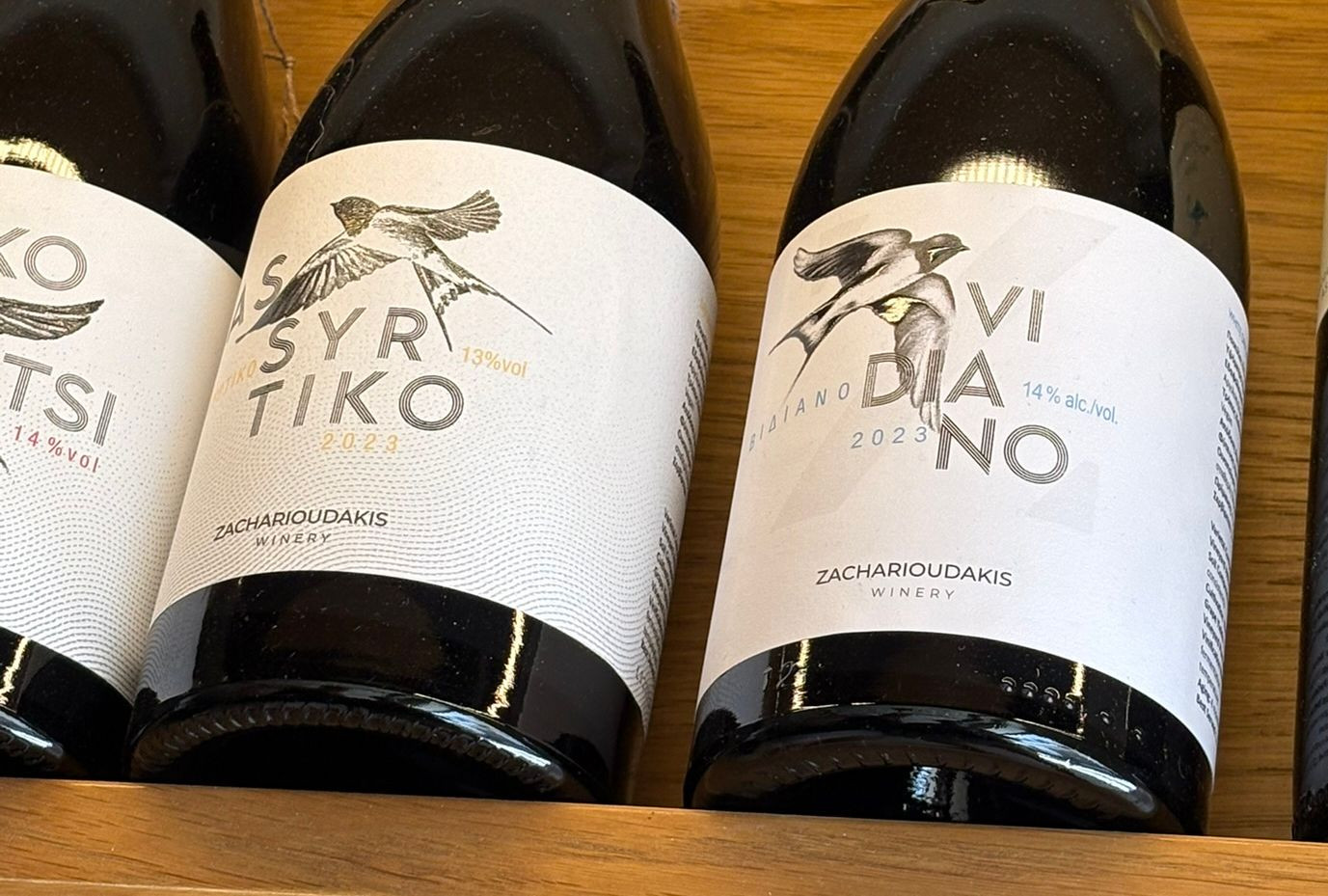
Vous n'avez pas besoin d'un menu dégustation ou d'une occasion spéciale. Voici comment marier les vins indigènes de Crète aux plats que vous cuisinez déjà ce soir.
Les vins méditerranéens vivent un moment fort en 2026. Des blancs frais aux rouges élégants, découvrez pourquoi ces régions ensoleillées captent l'attention des amateurs de vin du monde entier — et quoi essayer ensuite.
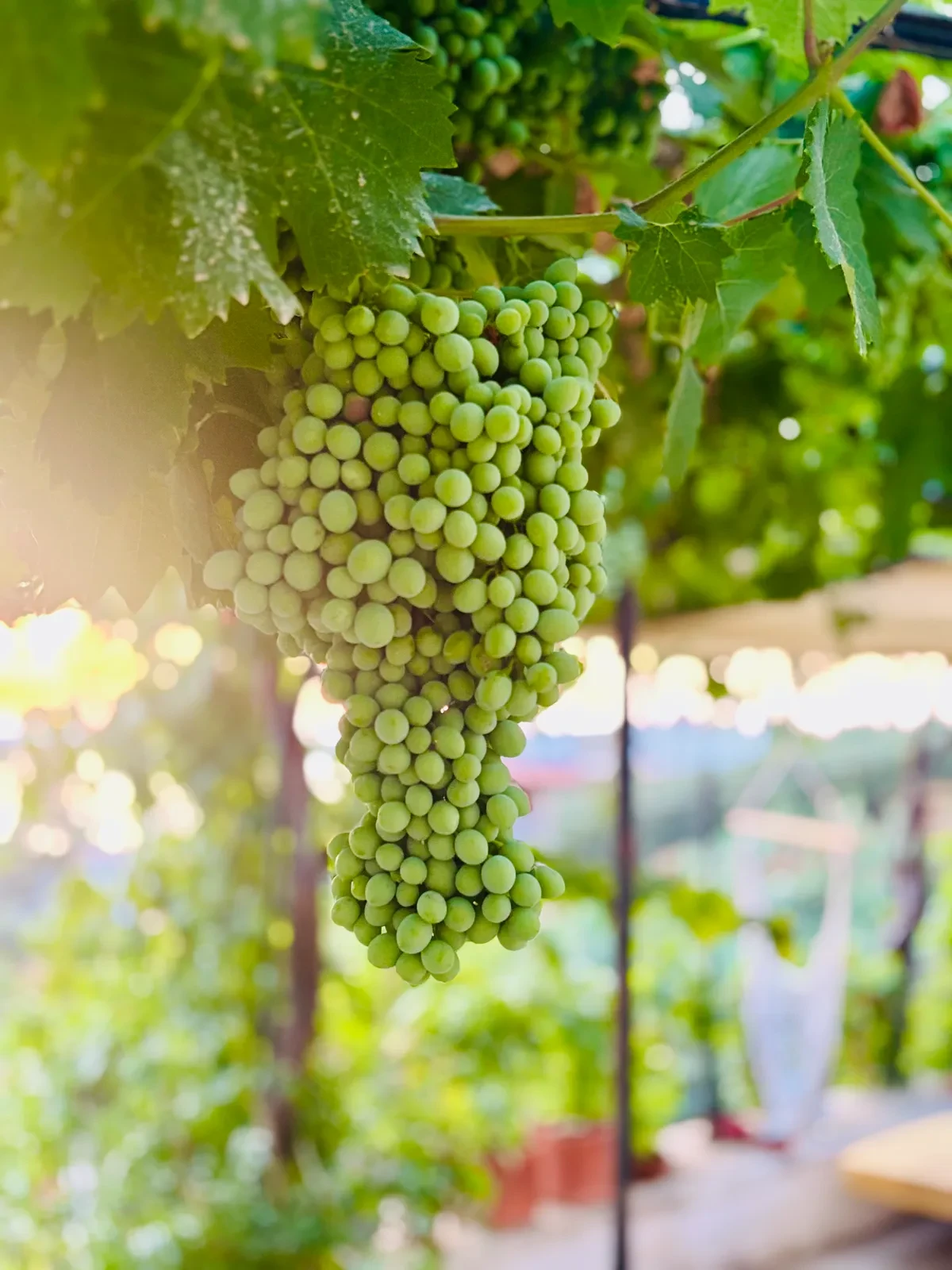
Explorez les cépages essentiels de Crète dans ce guide 2026 — Vidiano, Kotsifali, Thrapsathiri et Dafni. Des blancs riches et texturés aux raretés aromatiques et aux rouges élégants, découvrez ce qui rend ces cépages autochtones uniques et pourquoi ils gagnent une reconnaissance mondiale.
Mar 31, 2026
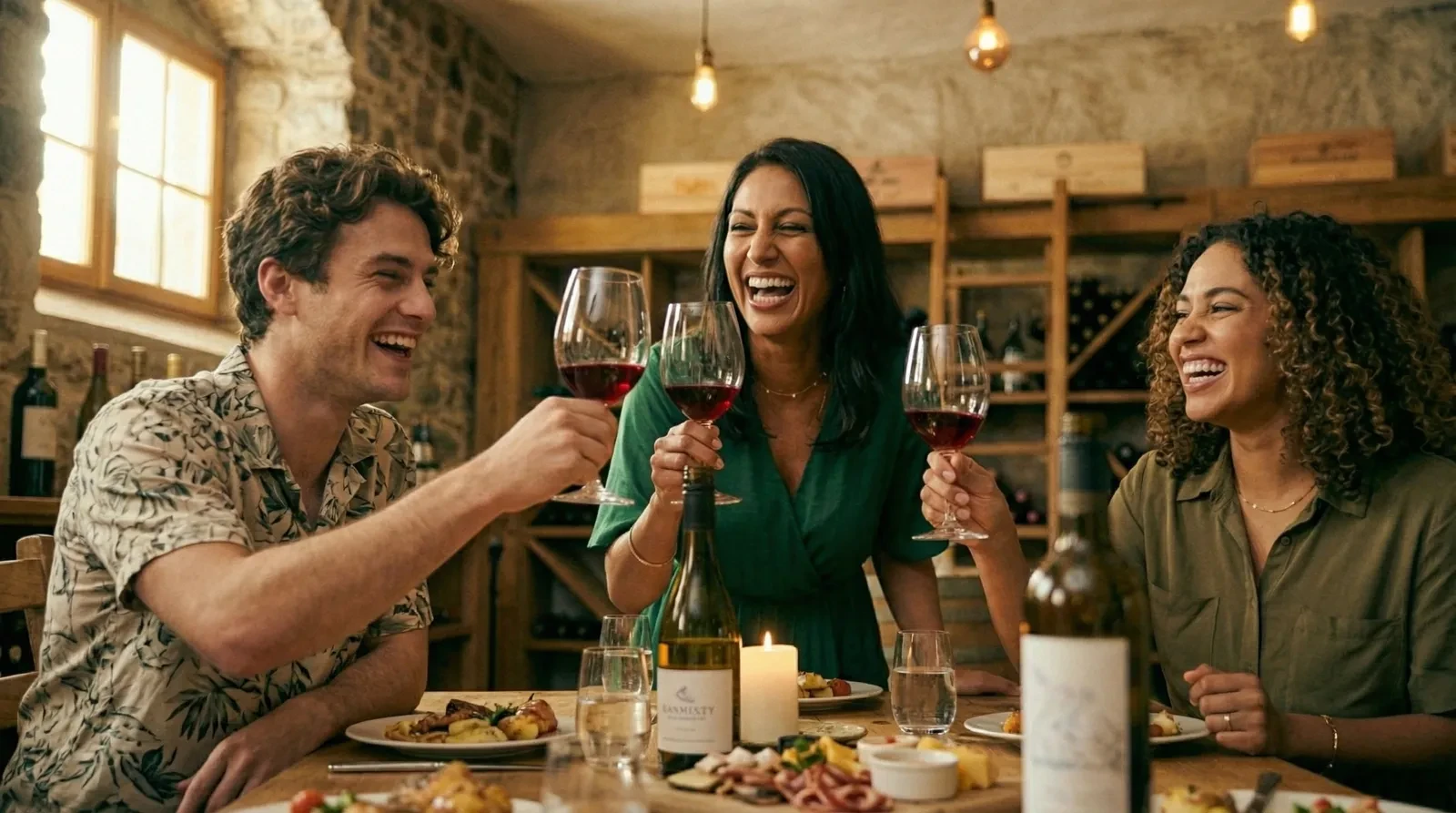
Un grand événement de dégustation est construit autour d'une idée, pas d'une liste. Voici comment Skywine conçoit des soirées qui font repartir les gens en sachant quelque chose qu'ils ne savaient pas avant.
Mar 25, 2026
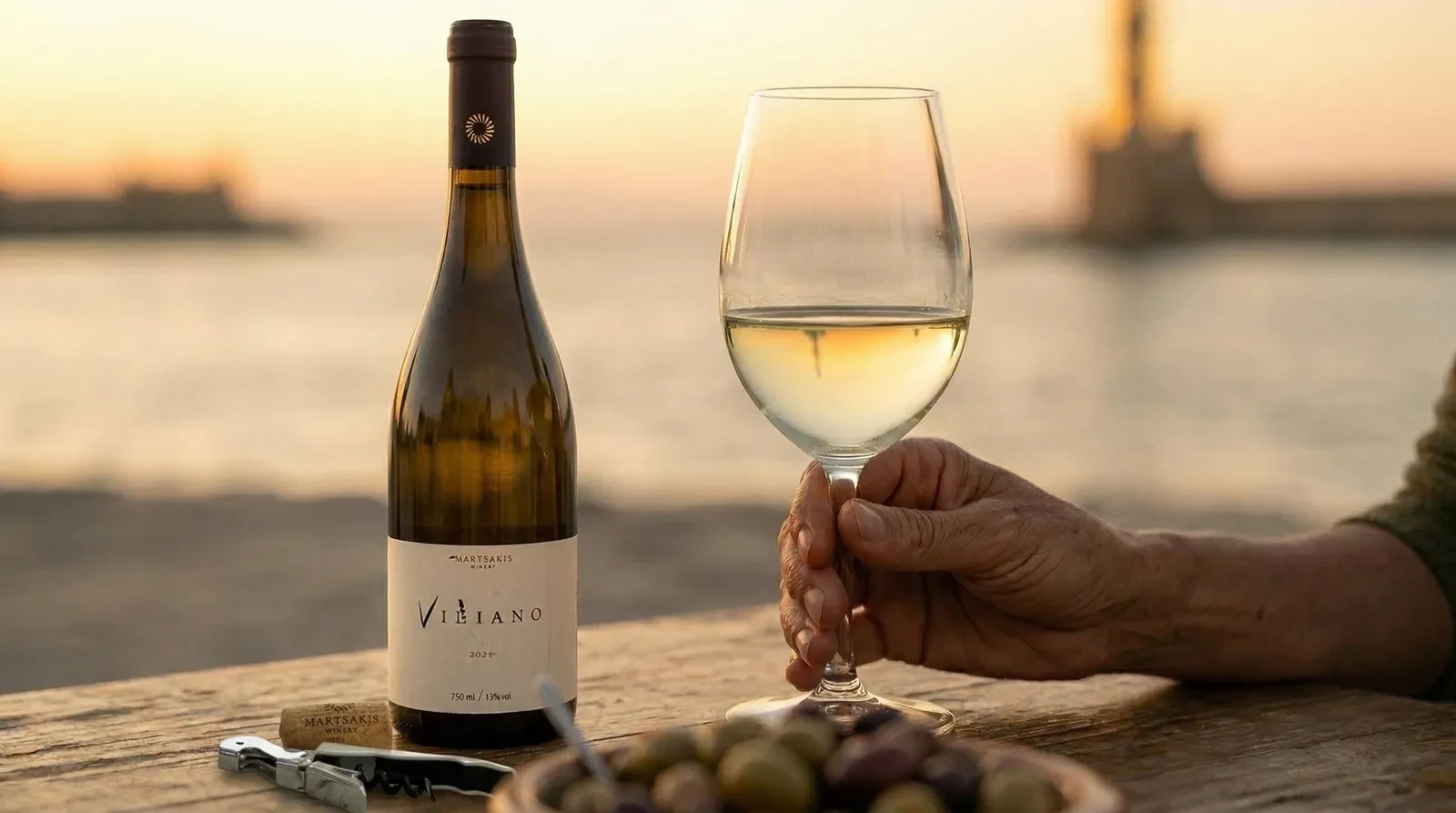
Nous avons créé Skywine parce que le vin devrait ressembler à une invitation, pas à un examen. Voici l'histoire de pourquoi nous l'avons construit et ce que nous sommes ici pour faire.
Certaines des meilleures dégustations de vin en Crète ne se passent pas à table — mais sur l'eau. Voici comment associer une sortie en bateau côtière à une véritable dégustation de vin crétois.
Vous n'avez pas besoin d'un menu dégustation ou d'une occasion spéciale. Voici comment marier les vins indigènes de Crète aux plats que vous cuisinez déjà ce soir.
Les vins méditerranéens vivent un moment fort en 2026. Des blancs frais aux rouges élégants, découvrez pourquoi ces régions ensoleillées captent l'attention des amateurs de vin du monde entier — et quoi essayer ensuite.
Explorez les cépages essentiels de Crète dans ce guide 2026 — Vidiano, Kotsifali, Thrapsathiri et Dafni. Des blancs riches et texturés aux raretés aromatiques et aux rouges élégants, découvrez ce qui rend ces cépages autochtones uniques et pourquoi ils gagnent une reconnaissance mondiale.
Mar 31, 2026
Un grand événement de dégustation est construit autour d'une idée, pas d'une liste. Voici comment Skywine conçoit des soirées qui font repartir les gens en sachant quelque chose qu'ils ne savaient pas avant.
Mar 25, 2026
Nous avons créé Skywine parce que le vin devrait ressembler à une invitation, pas à un examen. Voici l'histoire de pourquoi nous l'avons construit et ce que nous sommes ici pour faire.
Certaines des meilleures dégustations de vin en Crète ne se passent pas à table — mais sur l'eau. Voici comment associer une sortie en bateau côtière à une véritable dégustation de vin crétois.
Vous n'avez pas besoin d'un menu dégustation ou d'une occasion spéciale. Voici comment marier les vins indigènes de Crète aux plats que vous cuisinez déjà ce soir.
Les vins méditerranéens vivent un moment fort en 2026. Des blancs frais aux rouges élégants, découvrez pourquoi ces régions ensoleillées captent l'attention des amateurs de vin du monde entier — et quoi essayer ensuite.
Explorez les cépages essentiels de Crète dans ce guide 2026 — Vidiano, Kotsifali, Thrapsathiri et Dafni. Des blancs riches et texturés aux raretés aromatiques et aux rouges élégants, découvrez ce qui rend ces cépages autochtones uniques et pourquoi ils gagnent une reconnaissance mondiale.
Mar 31, 2026
Un grand événement de dégustation est construit autour d'une idée, pas d'une liste. Voici comment Skywine conçoit des soirées qui font repartir les gens en sachant quelque chose qu'ils ne savaient pas avant.
Mar 25, 2026
Nous avons créé Skywine parce que le vin devrait ressembler à une invitation, pas à un examen. Voici l'histoire de pourquoi nous l'avons construit et ce que nous sommes ici pour faire.
Restez Connectés
Nouveaux événements, dégustations et histoires de vins — livrés occasionnellement.