

Certaines des meilleures dégustations de vin en Crète ne se passent pas à table — mais sur l'eau. Voici comment associer une sortie en bateau côtière à une véritable dégustation de vin crétois.
March 31, 2026
Explorez les cépages essentiels de Crète dans ce guide 2026 — Vidiano, Kotsifali, Thrapsathiri et Dafni. Des blancs riches et texturés aux raretés aromatiques et aux rouges élégants, découvrez ce qui rend ces cépages autochtones uniques et pourquoi ils gagnent une reconnaissance mondiale.
L'Article
Aujourd'hui, une nouvelle génération de producteurs attire l'attention sur les cépages autochtones de l'île, élaborant des vins à la fois profondément ancrés dans l'histoire et résolument modernes.
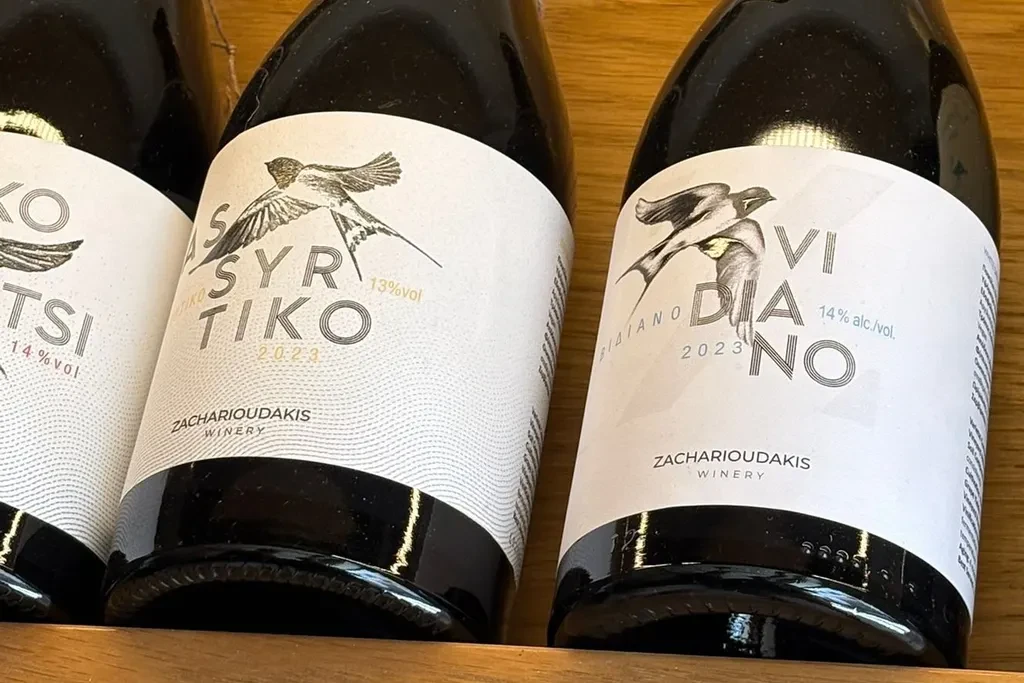
Si vous souhaitez explorer au-delà du familier, ces quatre cépages crétois — Vidiano, Kotsifali, Thrapsathiri et Dafni — offrent une introduction convaincante.



Souvent décrit comme la réponse crétoise aux grands blancs méditerranéens, le Vidiano a connu un essor de popularité au cours de la dernière décennie — et pour cause.
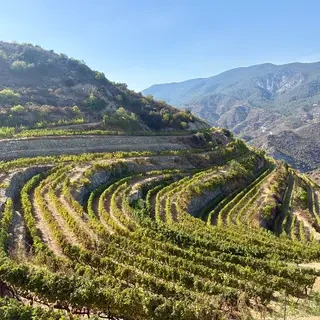
Le Vidiano s'épanouit dans les vignobles d'altitude, où les températures plus fraîches préservent son acidité naturelle. C'est un cépage polyvalent qui supporte aussi bien l'acier inoxydable que le vieillissement en chêne, laissant aux vignerons toute latitude pour expérimenter.
Attendez-vous à un blanc riche et texturé avec des arômes de fruits à noyau mûrs, de zeste d'agrumes et d'herbes subtiles. En bouche, il allie fraîcheur et légère onctuosité, se terminant souvent sur une touche minérale.
Le Vidiano associe élégance et intensité, ce qui en fait une alternative remarquable à des cépages plus connus comme le Chardonnay. C'est une porte d'entrée idéale vers les blancs crétois.
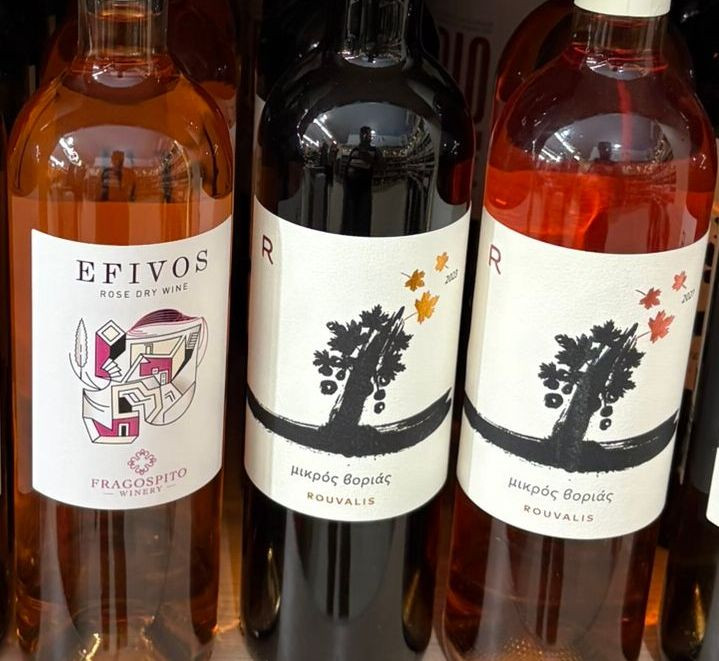
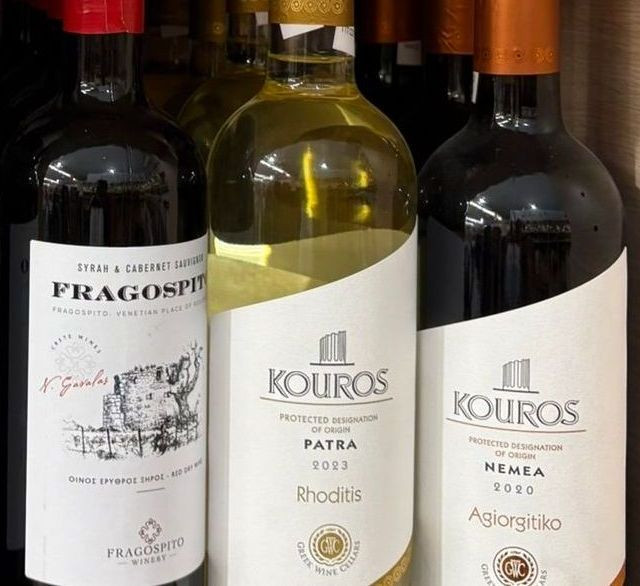
Le Kotsifali est l'un des cépages rouges les plus répandus en Crète et constitue l'épine dorsale de nombreux assemblages traditionnels.
Seul, le Kotsifali tend à produire des vins de couleur légère avec des tanins souples, ce qui explique pourquoi il est souvent assemblé avec le Mandilaria pour la structure. Cependant, vinifié avec soin, il peut briller en monocépage.
Cherchez des arômes de fruits rouges, d'herbes séchées et d'épices chaudes. La bouche est généralement souple et accessible, avec une acidité modérée et une finale soyeuse.
Le Kotsifali offre un goût authentique de la tradition crétoise. Il est gastronomique, facile à boire, et de plus en plus raffiné entre les mains des vignerons modernes.
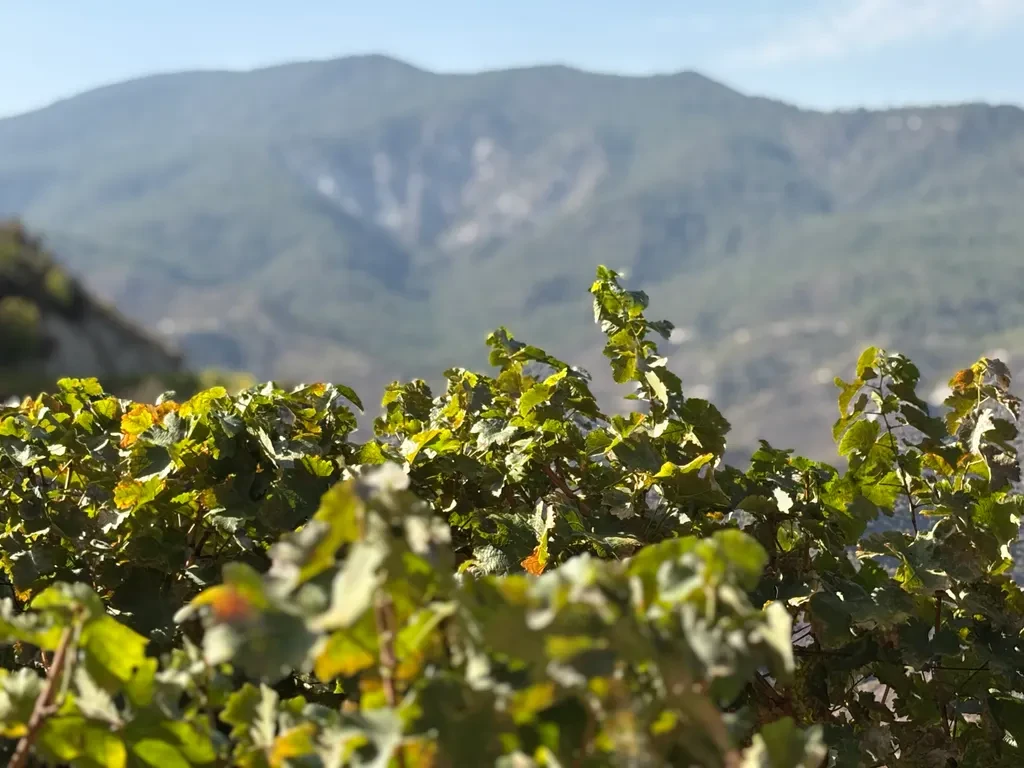
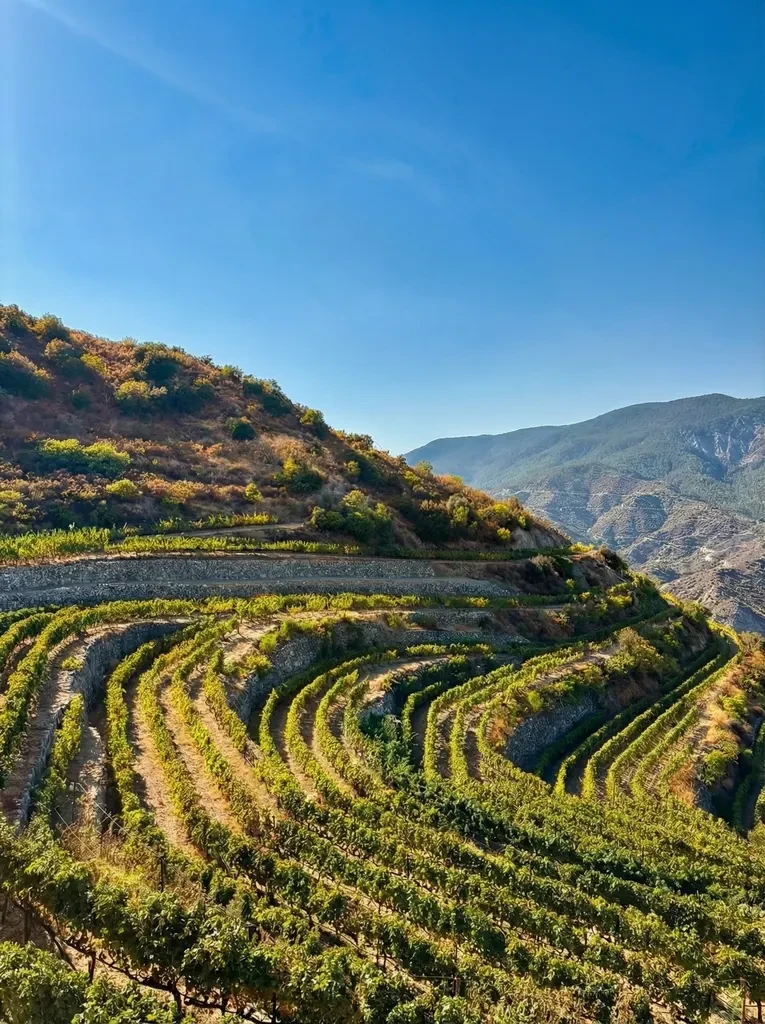
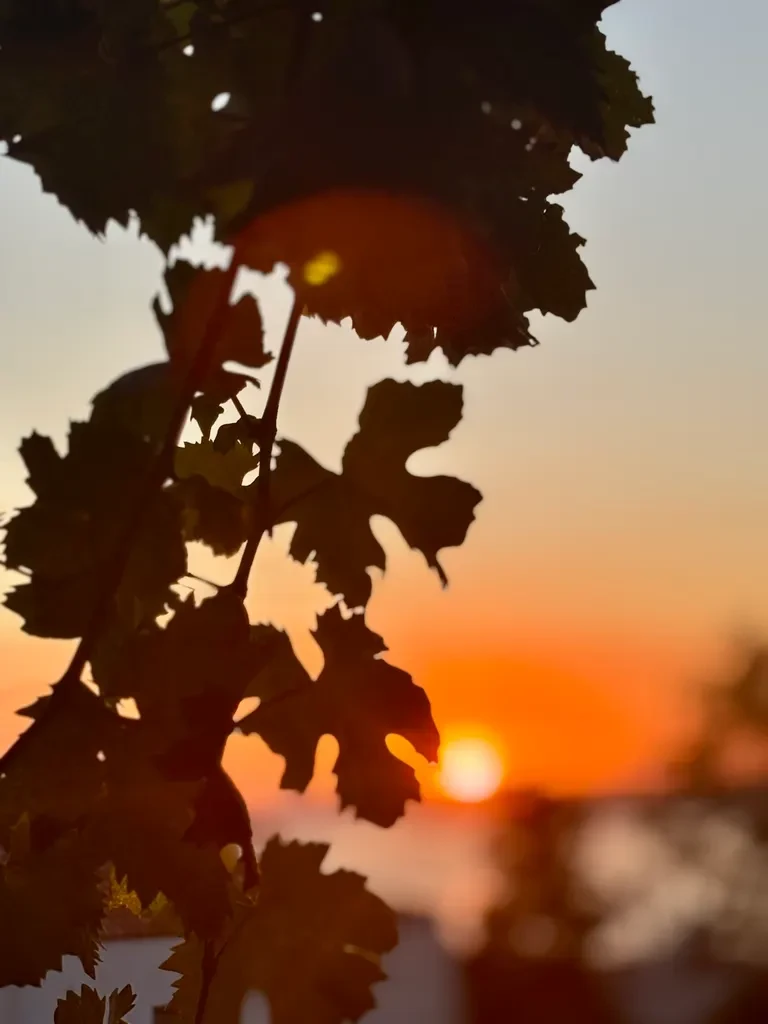
Le Thrapsathiri est un autre cépage blanc qui gagne en reconnaissance, notamment pour sa capacité à produire des vins équilibrés et aptes au vieillissement.
Naturellement résistant à la sécheresse et à la chaleur, le Thrapsathiri est bien adapté au climat chaud de Crète. Il maintient son acidité même par temps chaud, ce qui est essentiel pour produire des vins frais et vibrants.
Vif et net, avec des notes d'agrumes, de pomme verte et de fleurs blanches. Certaines expressions montrent une légère salinité, reflet du terroir côtier de Crète.
Si vous aimez les blancs rafraîchissants avec une épine dorsale minérale, le Thrapsathiri est un incontournable. Il séduira particulièrement les amateurs de Sauvignon Blanc ou d'Assyrtiko.
Le Dafni est l'un des cépages blancs les plus distinctifs et rares de Crète, connu pour son caractère herbacé inimitable.
Son nom vient du mot grec signifiant « laurier », qui décrit parfaitement son arôme signature. Le Dafni était presque éteint avant d'être relancé par des viticulteurs engagés.
Très aromatique, avec des notes de feuille de laurier, de romarin, d'agrumes et parfois de fruits tropicaux. Vif en bouche, avec une acidité lumineuse et une longue finale parfumée.
Le Dafni est presque sans équivalent. Pour les buveurs aventureux, il offre une expérience sensorielle véritablement unique qui capture l'essence sauvage et herbacée de la Crète.
Alors que les amateurs de vin du monde entier recherchent de plus en plus l'authenticité, la durabilité et le caractère autochtone, les cépages natifs de Crète gagnent une reconnaissance bien méritée. Ces variétés sont naturellement adaptées au climat chaud et sec de l'île — ce qui les rend non seulement expressives, mais aussi pérennes dans un paysage viticole en mutation.
Le Vidiano, le Kotsifali, le Thrapsathiri et le Dafni racontent chacun une histoire différente sur la Crète — mais ensemble, ils illustrent l'incroyable diversité de l'île. Des blancs riches et texturés aux raretés aromatiques et aux rouges élégants, il y en a pour tous les amateurs de vin.
Si vous n'avez pas encore exploré les vins crétois, 2026 est le moment idéal pour commencer.
Questions
Kotsifali est l'un des cépages rouges les plus répandus, tandis que Vidiano s'impose rapidement comme le cépage blanc emblématique de l'île grâce à sa qualité et sa polyvalence.
Oui — les vins crétois se sont considérablement améliorés ces dernières années, de nombreux producteurs misant sur les faibles rendements, les cépages autochtones et les techniques modernes.
Le Vidiano offre généralement des aromes de fruits à noyau mûrs, d'agrumes et une texture crémeuse, équilibrés par une belle fraichéur et une finale minérale.
Oui, le Dafni est reconnu pour ses aromes herbaux distinctifs, souvent comparés à la feuille de laurier, ce qui en fait l'un des vins blancs les plus singuliers de Grèce.
Les vins crétois s'accordent merveilleusement avec la cuisine méditerranéenne — poissons grillés, plats à base d'huile d'olive, légumes rôtis et recettes aux herbes aromatiques.
Ils sont de plus en plus disponibles dans les caves à vins spécialisées, les boutiques en ligne et les restaurants proposant des cartes des vins sélectionnées, en particulier ceux axés sur les vins grecs ou méditerranéens.
Discussion
Tags
Liés
Certaines des meilleures dégustations de vin en Crète ne se passent pas à table — mais sur l'eau. Voici comment associer une sortie en bateau côtière à une véritable dégustation de vin crétois.

La Crète fait du vin depuis quatre mille ans, bien avant que « naturel » ne devienne une étiquette. Voici ce qui change réellement chez les producteurs de l'île — et ce que cela signifie pour votre verre.
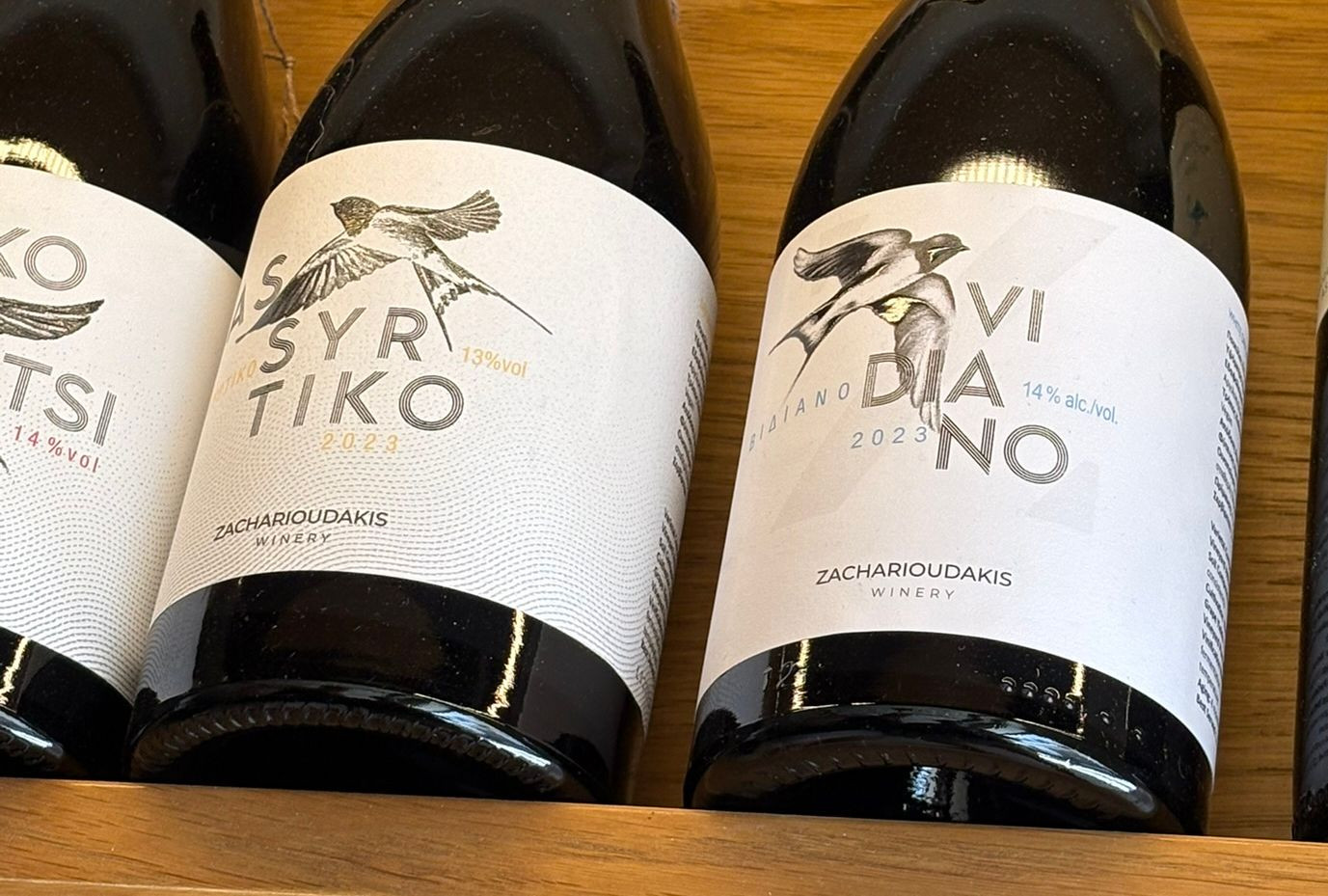
Vous n'avez pas besoin d'un menu dégustation ou d'une occasion spéciale. Voici comment marier les vins indigènes de Crète aux plats que vous cuisinez déjà ce soir.
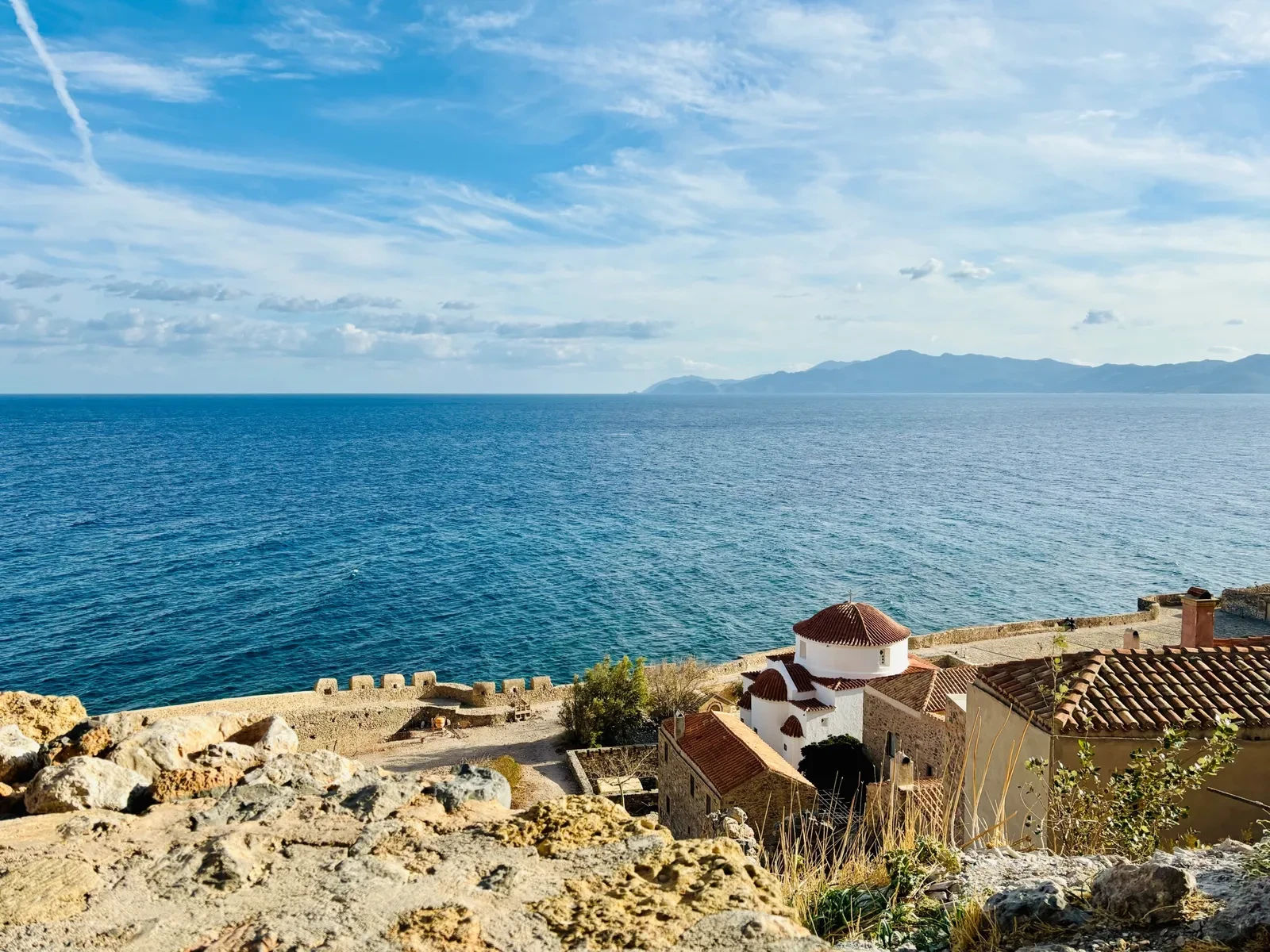
Les vins méditerranéens vivent un moment fort en 2026. Des blancs frais aux rouges élégants, découvrez pourquoi ces régions ensoleillées captent l'attention des amateurs de vin du monde entier — et quoi essayer ensuite.
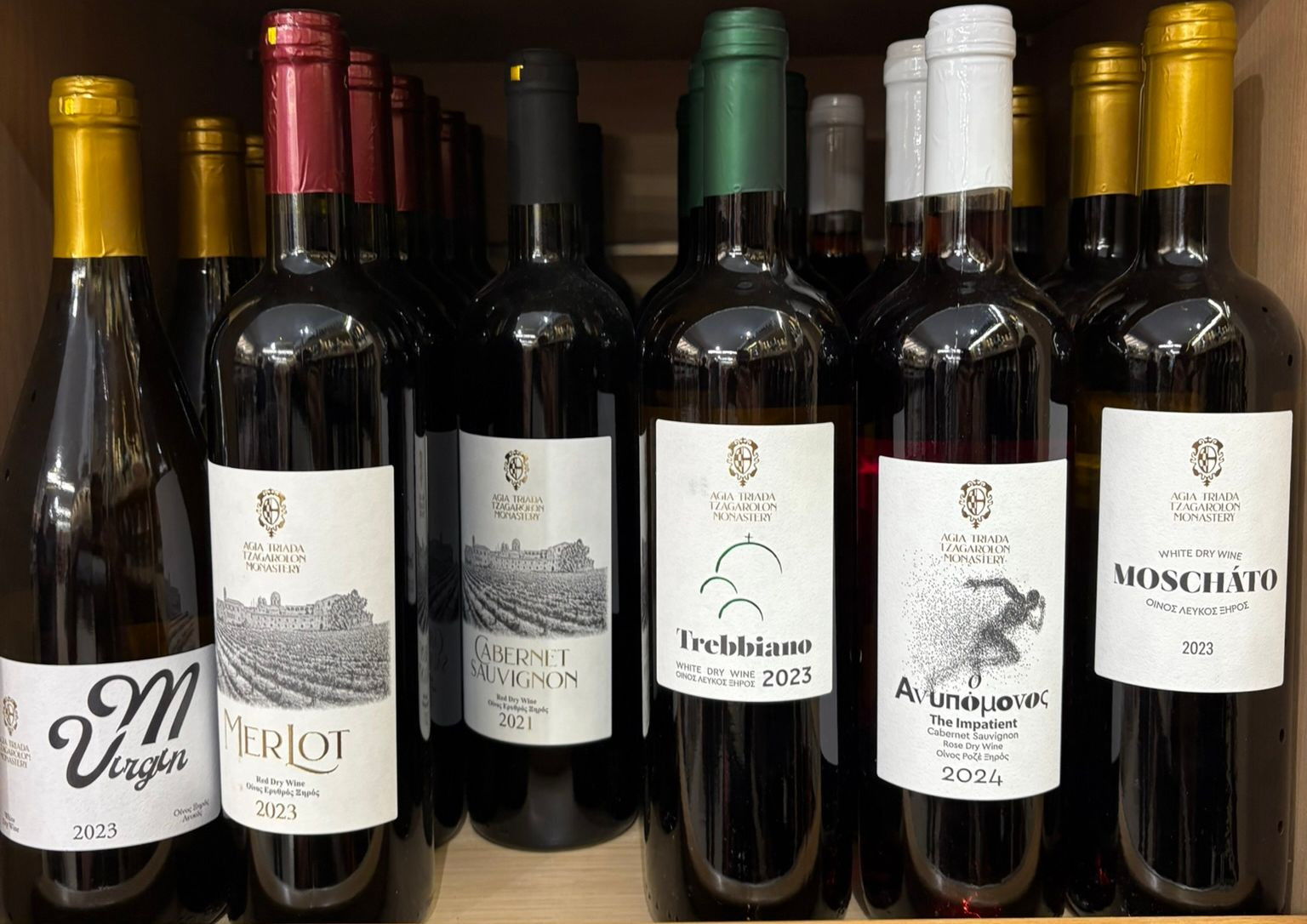
La Partie 2 de notre guide 2026 sur les cépages crétois explore le Mandilari, le Liatiko, le Plyto et la Vilana — des cépages autochtones qui façonnent l'avenir du vin grec. Découvrez leurs profils uniques et ce qu'il faut attendre dans le verre.

Mar 31, 2026
Vous n'avez pas besoin de connaissances techniques ni du vocabulaire d'un sommelier. Il vous suffit de ralentir et de faire attention. Voici comment tirer le meilleur de chaque verre.
Certaines des meilleures dégustations de vin en Crète ne se passent pas à table — mais sur l'eau. Voici comment associer une sortie en bateau côtière à une véritable dégustation de vin crétois.
La Crète fait du vin depuis quatre mille ans, bien avant que « naturel » ne devienne une étiquette. Voici ce qui change réellement chez les producteurs de l'île — et ce que cela signifie pour votre verre.
Vous n'avez pas besoin d'un menu dégustation ou d'une occasion spéciale. Voici comment marier les vins indigènes de Crète aux plats que vous cuisinez déjà ce soir.
Les vins méditerranéens vivent un moment fort en 2026. Des blancs frais aux rouges élégants, découvrez pourquoi ces régions ensoleillées captent l'attention des amateurs de vin du monde entier — et quoi essayer ensuite.
La Partie 2 de notre guide 2026 sur les cépages crétois explore le Mandilari, le Liatiko, le Plyto et la Vilana — des cépages autochtones qui façonnent l'avenir du vin grec. Découvrez leurs profils uniques et ce qu'il faut attendre dans le verre.
Mar 31, 2026
Vous n'avez pas besoin de connaissances techniques ni du vocabulaire d'un sommelier. Il vous suffit de ralentir et de faire attention. Voici comment tirer le meilleur de chaque verre.
Certaines des meilleures dégustations de vin en Crète ne se passent pas à table — mais sur l'eau. Voici comment associer une sortie en bateau côtière à une véritable dégustation de vin crétois.
La Crète fait du vin depuis quatre mille ans, bien avant que « naturel » ne devienne une étiquette. Voici ce qui change réellement chez les producteurs de l'île — et ce que cela signifie pour votre verre.
Vous n'avez pas besoin d'un menu dégustation ou d'une occasion spéciale. Voici comment marier les vins indigènes de Crète aux plats que vous cuisinez déjà ce soir.
Les vins méditerranéens vivent un moment fort en 2026. Des blancs frais aux rouges élégants, découvrez pourquoi ces régions ensoleillées captent l'attention des amateurs de vin du monde entier — et quoi essayer ensuite.
La Partie 2 de notre guide 2026 sur les cépages crétois explore le Mandilari, le Liatiko, le Plyto et la Vilana — des cépages autochtones qui façonnent l'avenir du vin grec. Découvrez leurs profils uniques et ce qu'il faut attendre dans le verre.
Mar 31, 2026
Vous n'avez pas besoin de connaissances techniques ni du vocabulaire d'un sommelier. Il vous suffit de ralentir et de faire attention. Voici comment tirer le meilleur de chaque verre.
Restez Connectés
Nouveaux événements, dégustations et histoires de vins — livrés occasionnellement.