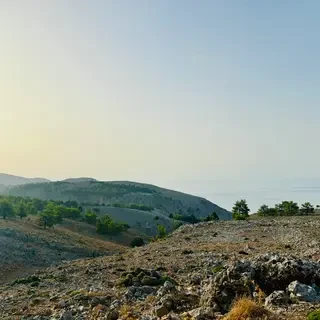
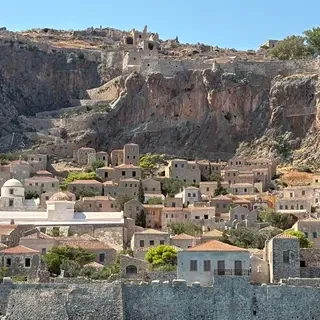
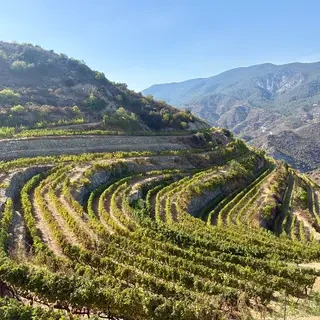

Certaines des meilleures dégustations de vin en Crète ne se passent pas à table — mais sur l'eau. Voici comment associer une sortie en bateau côtière à une véritable dégustation de vin crétois.
March 31, 2026
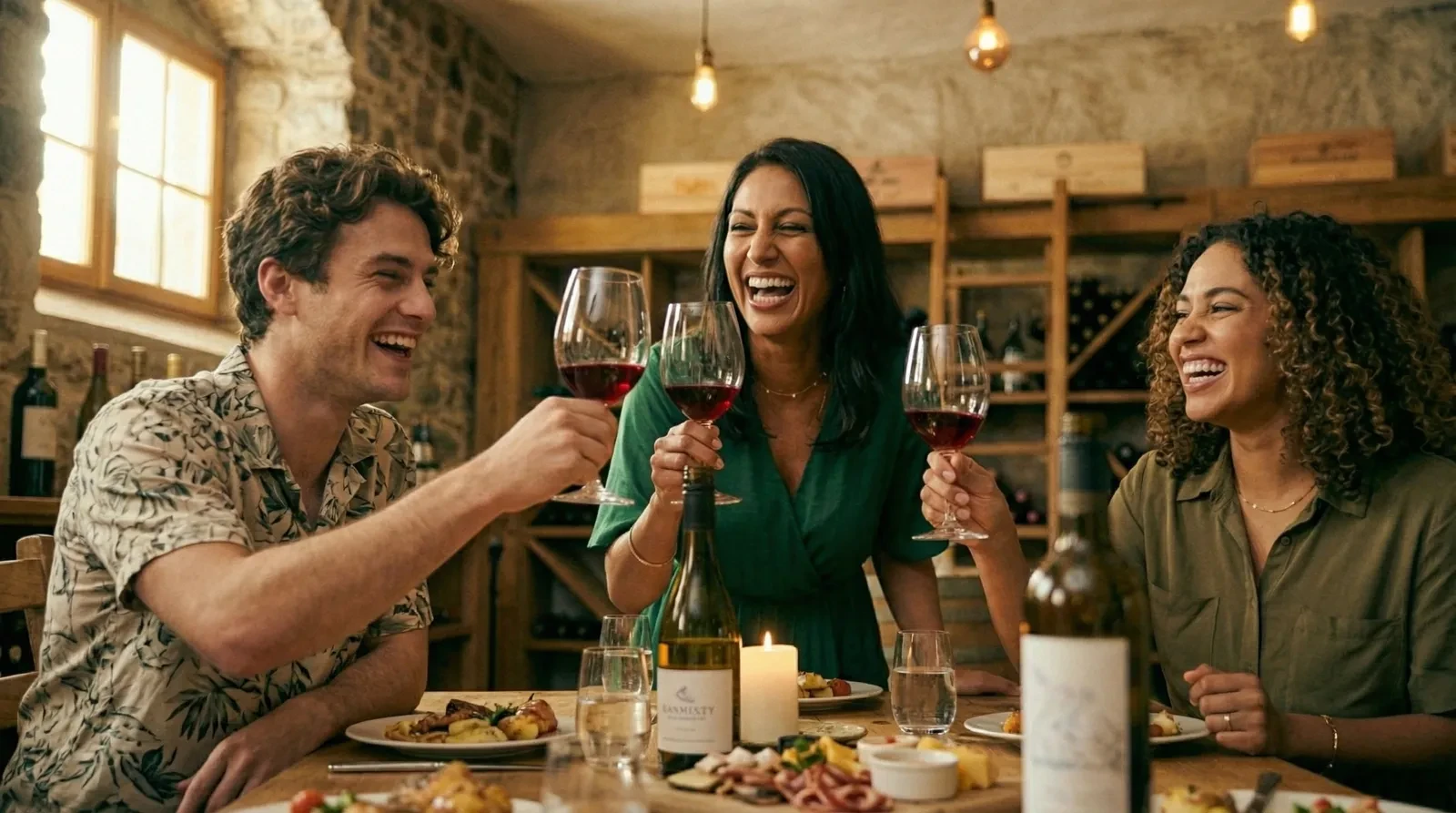
Un grand événement de dégustation est construit autour d'une idée, pas d'une liste. Voici comment Skywine conçoit des soirées qui font repartir les gens en sachant quelque chose qu'ils ne savaient pas avant.
L'Article
Une salle bondée, une rangée de bouteilles sur une table, des verres en plastique et une feuille de notes de dégustation que personne ne lit. Vous repartez après avoir goûté beaucoup de vins, mais vous n'en retenez presque rien.
Ce n'est pas ce que nous faisons.
Lorsque nous concevons un événement de dégustation chez Skywine, nous ne commençons pas par la liste des vins, mais par une question : que voulons-nous que les gens ressentent en partant ? La réponse est toujours la même. Nous voulons qu'ils repartent en sachant quelque chose qu'ils ne savaient pas auparavant — sur le vin, sur eux-mêmes, sur ce qu'ils apprécient et pourquoi. Nous voulons que la soirée ait eu de l'importance.
Tout découle de cela.
Une grande dégustation est construite autour d'une idée, pas d'une liste. Il peut s'agir d'une région explorée en profondeur, d'une comparaison de styles qui remet en question les idées reçues, ou d'un voyage à travers des millésimes qui raconte l'histoire d'un seul producteur dans le temps. Quel que soit le fil conducteur, chaque bouteille sur la table doit mériter sa place — non parce qu'elle est chère ou connue, mais parce qu'elle a quelque chose à dire.
Nous dégustons des centaines de vins pour chaque événement que nous organisons. La plupart ne passent pas la sélection. Ceux qui y passent sont choisis parce qu'ils suscitent quelque chose — curiosité, surprise, reconnaissance, plaisir. Une dégustation sans cela n'est que de la boisson.
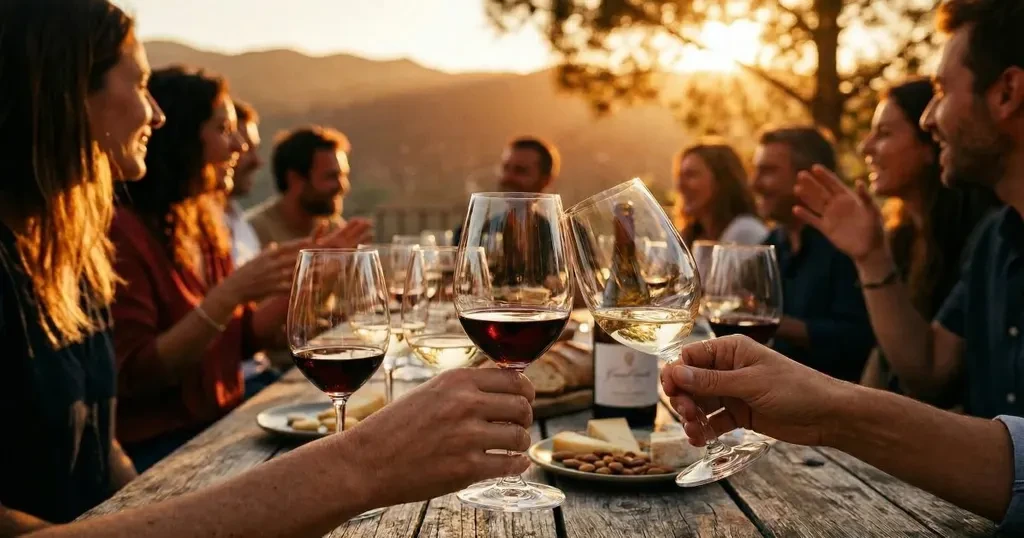
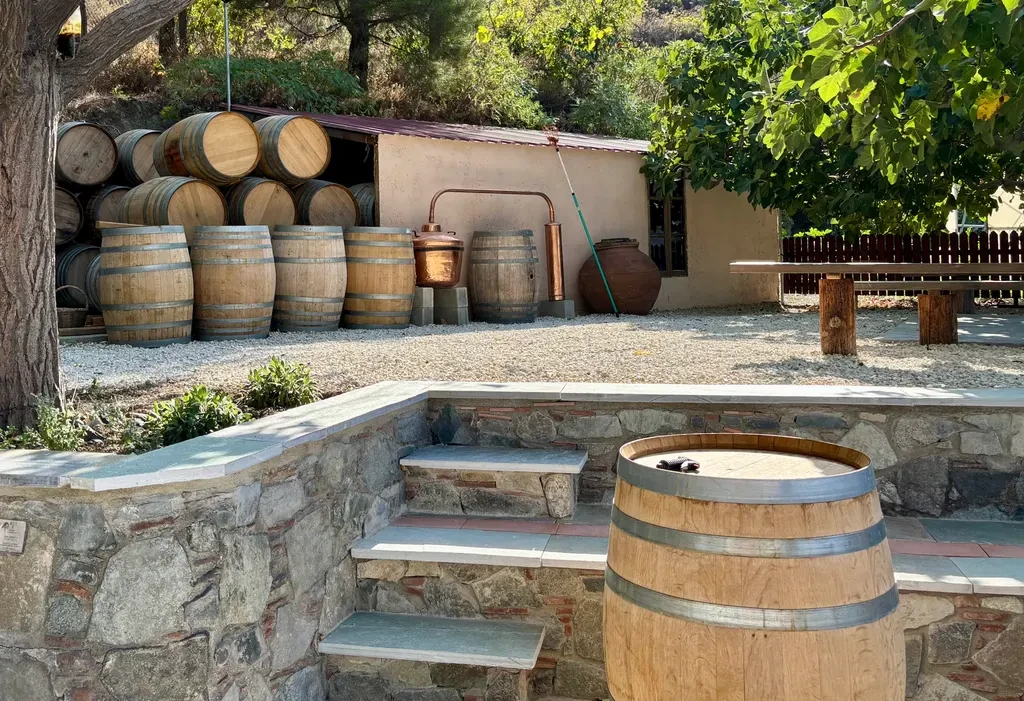
L'ordre compte plus que la plupart des gens ne le réalisent. Nous progressons à travers les vins dans une séquence qui se construit — du plus léger au plus corsé, du plus jeune au plus vieux, du familier à l'inattendu. Chaque vin prépare le suivant. Au moment où vous arrivez au dernier verre, vous avez un point de référence, un vocabulaire, un palais qui a été doucement éduqué au cours de la soirée sans jamais avoir l'impression d'un cours.
Nous ménageons aussi de l'espace. Du temps pour s'asseoir avec un vin, y revenir, changer d'avis. Les meilleurs moments d'une dégustation ne sont rarement la première impression — ils viennent quand un vin s'ouvre dix minutes après l'avoir versé, ou quand vous revenez à quelque chose que vous avez écarté et découvrez que vous aviez tort.
Le vin est extrêmement sensible au contexte. La même bouteille a un goût différent en plein air qu'à l'intérieur, autour d'une grande table qu'au comptoir, dans le silence qu'en conversation. Nous choisissons nos cadres délibérément — des espaces qui semblent réfléchis, où l'atmosphère fait une partie du travail. Pas précieux ou formel, mais digne des vins qui y sont versés.
Un bon éclairage, de bons verres, suffisamment d'espace pour respirer. Ce ne sont pas des luxes. Ce sont les conditions dans lesquelles le vin se révèle vraiment.
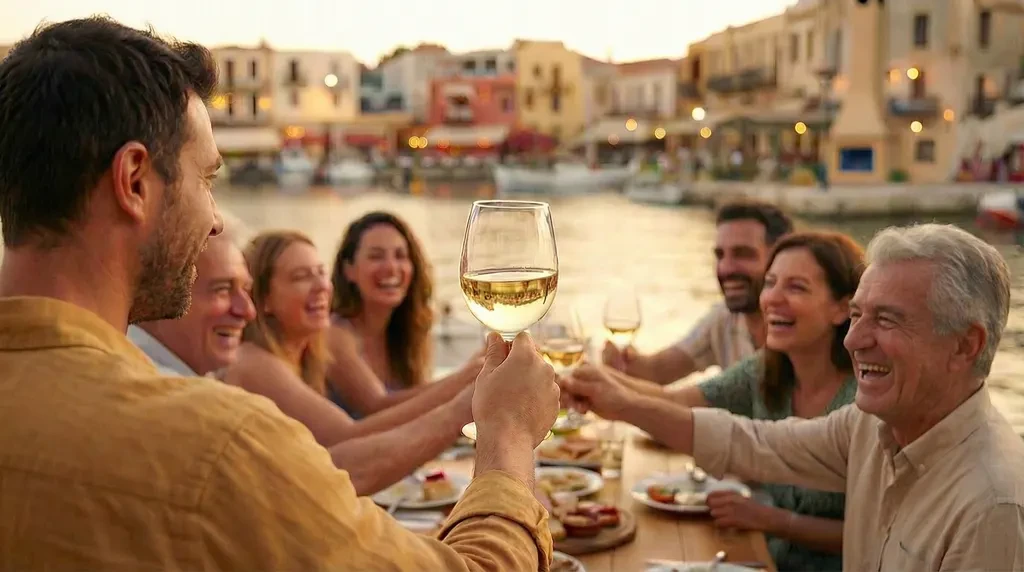
Enfin, et peut-être le plus important — les meilleures dégustations sont des conversations, pas des présentations. Nos hôtes ne sont pas là pour démontrer leur expertise. Ils sont là pour guider, susciter la curiosité, répondre aux questions honnêtement et admettre quand un vin les surprend même eux. L'objectif est toujours de faire sentir à la personne en face que son palais est valide, que ses questions sont les bienvenues, et que son plaisir est tout l'objet.
Le vin est l'une des choses les plus humaines qui soit. Un grand événement de dégustation lui donne simplement l'espace pour être exactement cela.
Questions
Pas du tout. Que vous soyez simplement curieux ou amateur passionné, nos expériences sont accueillantes, ludiques et conçues pour éveiller la curiosité.
Nous recommandons de manger légèrement avant. Déguster le ventre vide affecte votre palais et votre soirée. La plupart de nos événements incluent également des accords mets pour accompagner les vins.
Dans la plupart des cas, oui. Les vins présentés lors de nos événements sont généralement disponibles via notre boutique en ligne, et notre équipe se fera un plaisir de vous aider à trouver une bouteille après la soirée.
Discussion
Tags
Liés
Certaines des meilleures dégustations de vin en Crète ne se passent pas à table — mais sur l'eau. Voici comment associer une sortie en bateau côtière à une véritable dégustation de vin crétois.
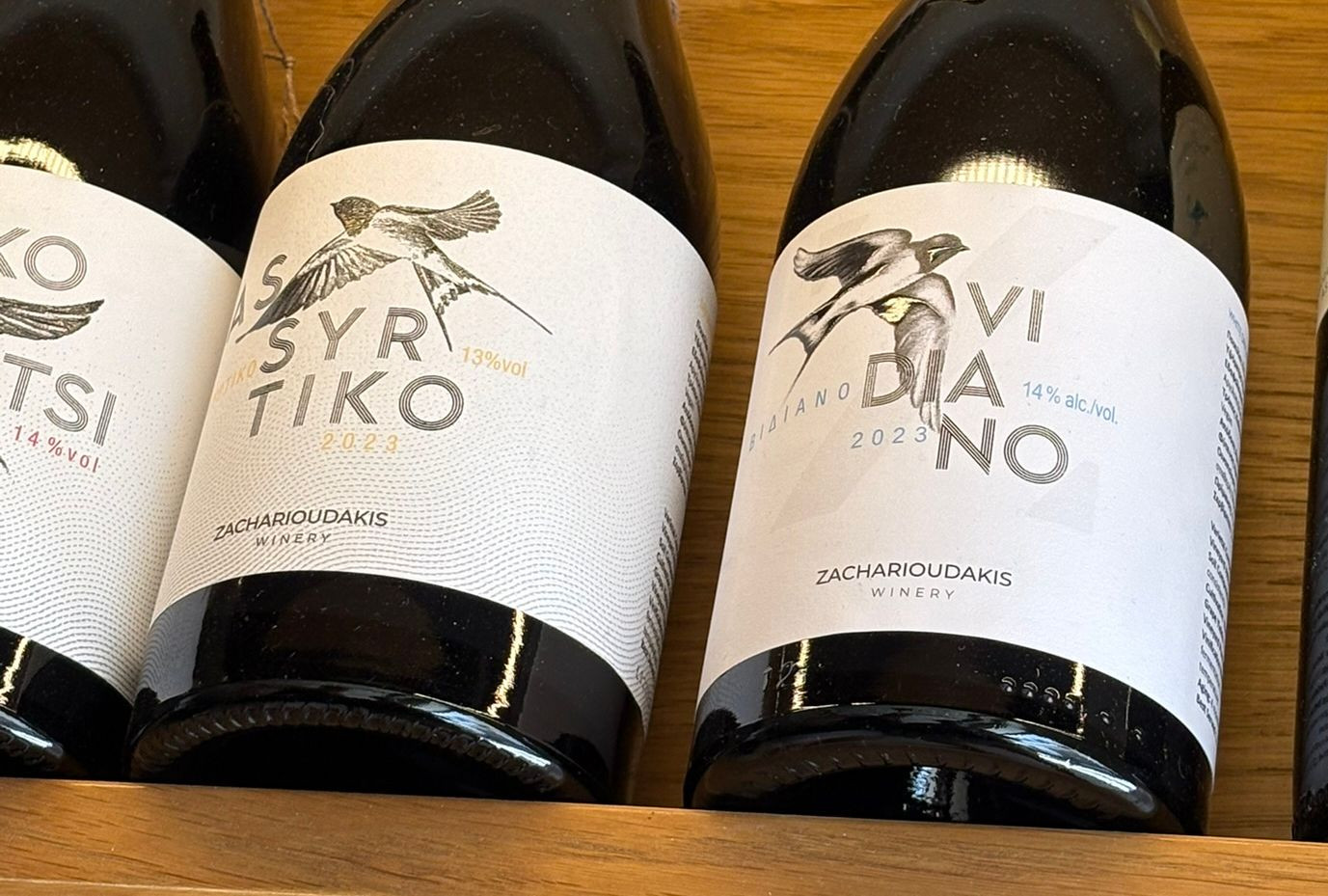
Vous n'avez pas besoin d'un menu dégustation ou d'une occasion spéciale. Voici comment marier les vins indigènes de Crète aux plats que vous cuisinez déjà ce soir.
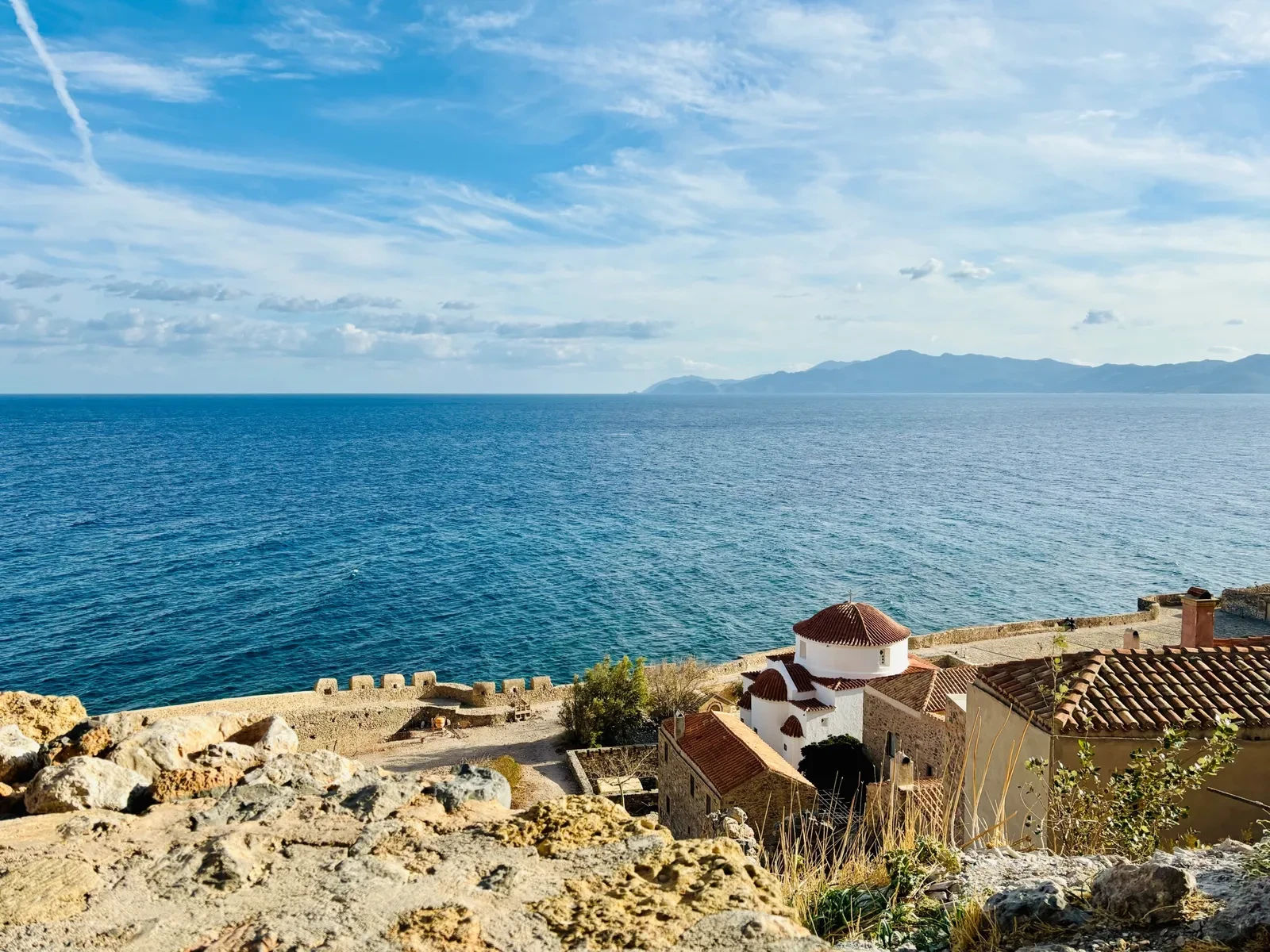
Les vins méditerranéens vivent un moment fort en 2026. Des blancs frais aux rouges élégants, découvrez pourquoi ces régions ensoleillées captent l'attention des amateurs de vin du monde entier — et quoi essayer ensuite.
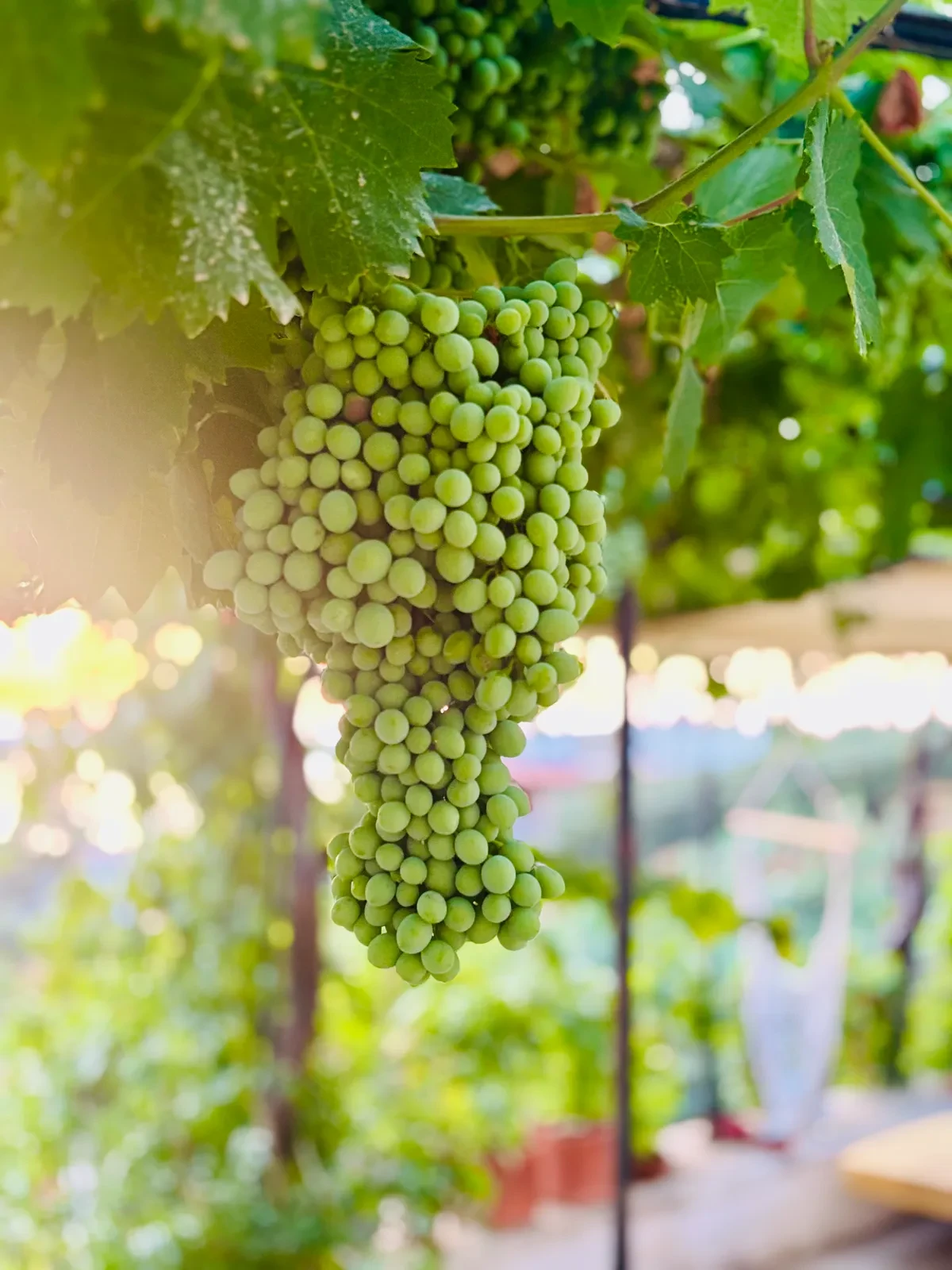
Explorez les cépages essentiels de Crète dans ce guide 2026 — Vidiano, Kotsifali, Thrapsathiri et Dafni. Des blancs riches et texturés aux raretés aromatiques et aux rouges élégants, découvrez ce qui rend ces cépages autochtones uniques et pourquoi ils gagnent une reconnaissance mondiale.
Mar 31, 2026
Vous n'avez pas besoin de connaissances techniques ni du vocabulaire d'un sommelier. Il vous suffit de ralentir et de faire attention. Voici comment tirer le meilleur de chaque verre.
Mar 25, 2026
Nous avons créé Skywine parce que le vin devrait ressembler à une invitation, pas à un examen. Voici l'histoire de pourquoi nous l'avons construit et ce que nous sommes ici pour faire.
Certaines des meilleures dégustations de vin en Crète ne se passent pas à table — mais sur l'eau. Voici comment associer une sortie en bateau côtière à une véritable dégustation de vin crétois.
Vous n'avez pas besoin d'un menu dégustation ou d'une occasion spéciale. Voici comment marier les vins indigènes de Crète aux plats que vous cuisinez déjà ce soir.
Les vins méditerranéens vivent un moment fort en 2026. Des blancs frais aux rouges élégants, découvrez pourquoi ces régions ensoleillées captent l'attention des amateurs de vin du monde entier — et quoi essayer ensuite.
Explorez les cépages essentiels de Crète dans ce guide 2026 — Vidiano, Kotsifali, Thrapsathiri et Dafni. Des blancs riches et texturés aux raretés aromatiques et aux rouges élégants, découvrez ce qui rend ces cépages autochtones uniques et pourquoi ils gagnent une reconnaissance mondiale.
Mar 31, 2026
Vous n'avez pas besoin de connaissances techniques ni du vocabulaire d'un sommelier. Il vous suffit de ralentir et de faire attention. Voici comment tirer le meilleur de chaque verre.
Mar 25, 2026
Nous avons créé Skywine parce que le vin devrait ressembler à une invitation, pas à un examen. Voici l'histoire de pourquoi nous l'avons construit et ce que nous sommes ici pour faire.
Certaines des meilleures dégustations de vin en Crète ne se passent pas à table — mais sur l'eau. Voici comment associer une sortie en bateau côtière à une véritable dégustation de vin crétois.
Vous n'avez pas besoin d'un menu dégustation ou d'une occasion spéciale. Voici comment marier les vins indigènes de Crète aux plats que vous cuisinez déjà ce soir.
Les vins méditerranéens vivent un moment fort en 2026. Des blancs frais aux rouges élégants, découvrez pourquoi ces régions ensoleillées captent l'attention des amateurs de vin du monde entier — et quoi essayer ensuite.
Explorez les cépages essentiels de Crète dans ce guide 2026 — Vidiano, Kotsifali, Thrapsathiri et Dafni. Des blancs riches et texturés aux raretés aromatiques et aux rouges élégants, découvrez ce qui rend ces cépages autochtones uniques et pourquoi ils gagnent une reconnaissance mondiale.
Mar 31, 2026
Vous n'avez pas besoin de connaissances techniques ni du vocabulaire d'un sommelier. Il vous suffit de ralentir et de faire attention. Voici comment tirer le meilleur de chaque verre.
Mar 25, 2026
Nous avons créé Skywine parce que le vin devrait ressembler à une invitation, pas à un examen. Voici l'histoire de pourquoi nous l'avons construit et ce que nous sommes ici pour faire.
Restez Connectés
Nouveaux événements, dégustations et histoires de vins — livrés occasionnellement.