

Certaines des meilleures dégustations de vin en Crète ne se passent pas à table — mais sur l'eau. Voici comment associer une sortie en bateau côtière à une véritable dégustation de vin crétois.
April 3, 2026
Les vins méditerranéens vivent un moment fort en 2026. Des blancs frais aux rouges élégants, découvrez pourquoi ces régions ensoleillées captent l'attention des amateurs de vin du monde entier — et quoi essayer ensuite.
L'Article
Entrez dans la Méditerranée — une vaste et diverse zone de production vinicole comprenant des pays comme la Grèce, l'Italie, l'Espagne et le sud de la France.
Ces vins ne sont pas seulement tendance — ils redéfinissent à quoi ressemble la consommation de vin moderne.
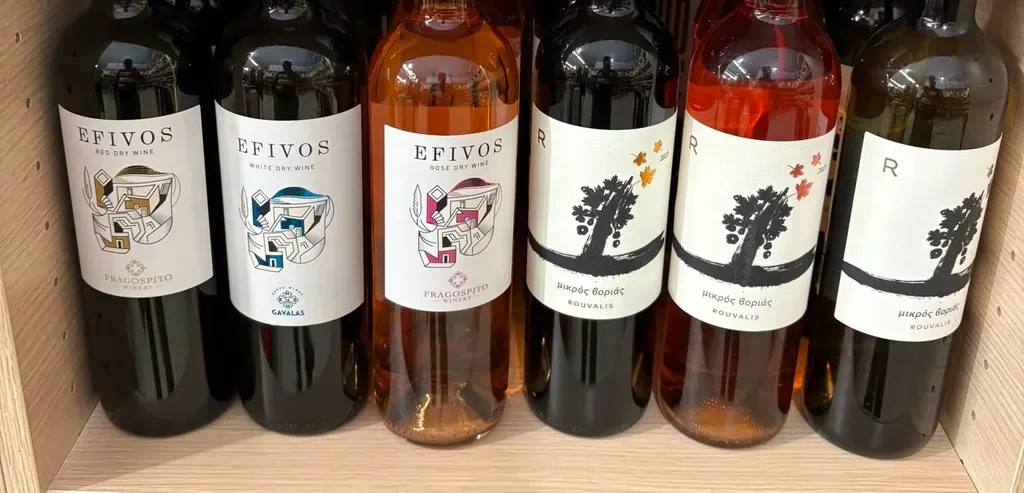
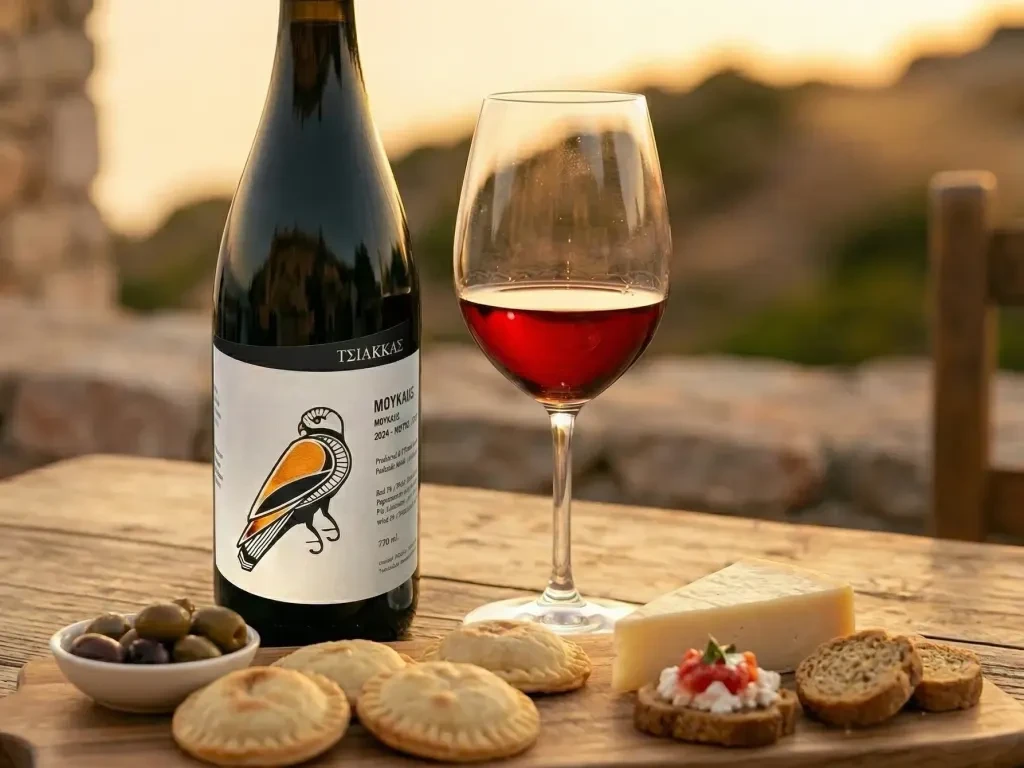

L'un des principaux moteurs du mouvement des vins méditerranéens est la redécouverte des cépages autochtones.
Plutôt que de s'appuyer sur des cépages internationaux comme le Cabernet Sauvignon ou le Chardonnay, les producteurs championént des variétés locales cultivées depuis des siècles. De l'Assyrtiko et du Vidiano de Grèce au Nero d'Avola d'Italie et à la Garnacha d'Espagne, ces cépages racontent une histoire de lieu et de tradition.
Les cépages autochtones sont naturellement adaptés à leur environnement, ce qui signifie qu'ils nécessitent souvent moins d'interventions dans le vignoble. Il en résulte des vins non seulement plus durables, mais aussi plus expressifs.
Une autre tendance définissante est le passage des vins lourds et à fort taux d'alcool vers des styles plus frais et plus équilibrés.
Acidité vive, alcool modéré, fruit propre et vibrant, complexité subtile
Les vins méditerranéens, en particulier ceux cultivés en altitude ou près des côtes, conservent naturellement leur acidité — même dans les climats chauds.
Les vins méditerranéens sont intrinsèquement gastronomiques, reflétant les traditions culinaires des régions dont ils proviennent.
Poissons grillés avec des blancs croquants, plats à base d'huile d'olive avec des variétés herbacées et aromatiques, légumes rôtis avec des rouges légers à mi-corps
Cette polyvalence est une raison majeure pour laquelle les sommeliers et les buveurs occasionnels se tournent vers ces vins.
En 2026, les consommateurs sont plus conscients que jamais de la façon dont leur vin est produit.
De nombreux producteurs méditerranéens adoptent :
L'agriculture biologique et biodynamique, une intervention minimale en cave, une utilisation réduite des sulfites
Cela s'aligne sur la montée en puissance des vins naturels et durables, donnant aux régions méditerranéennes un avantage considérable.
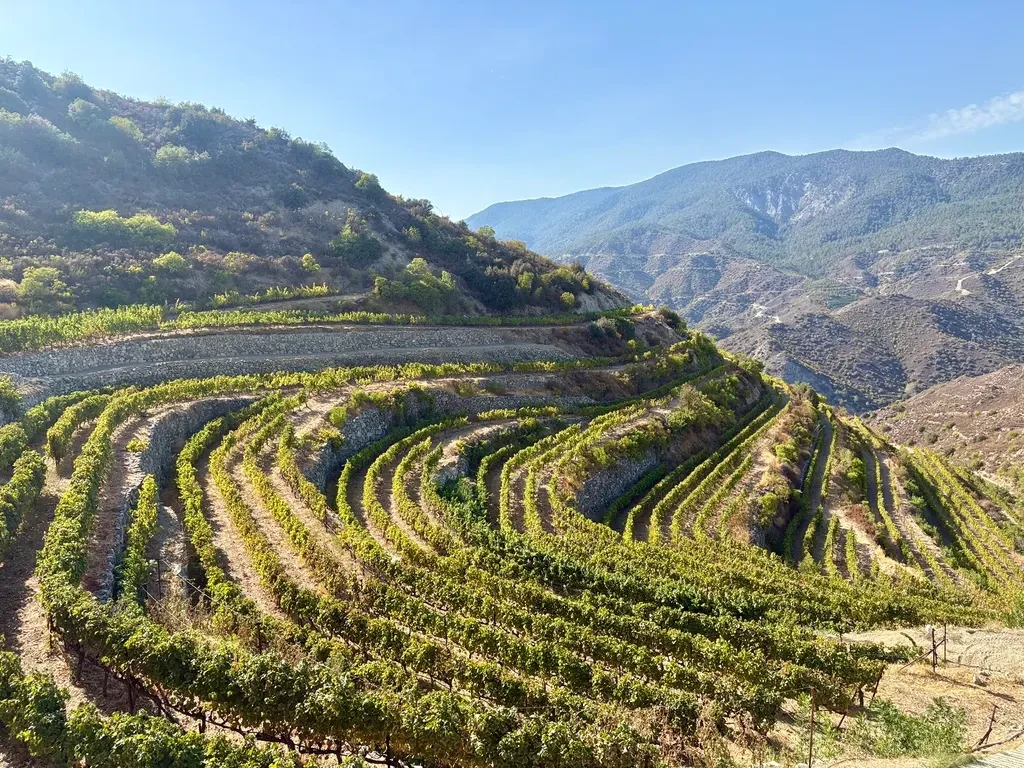
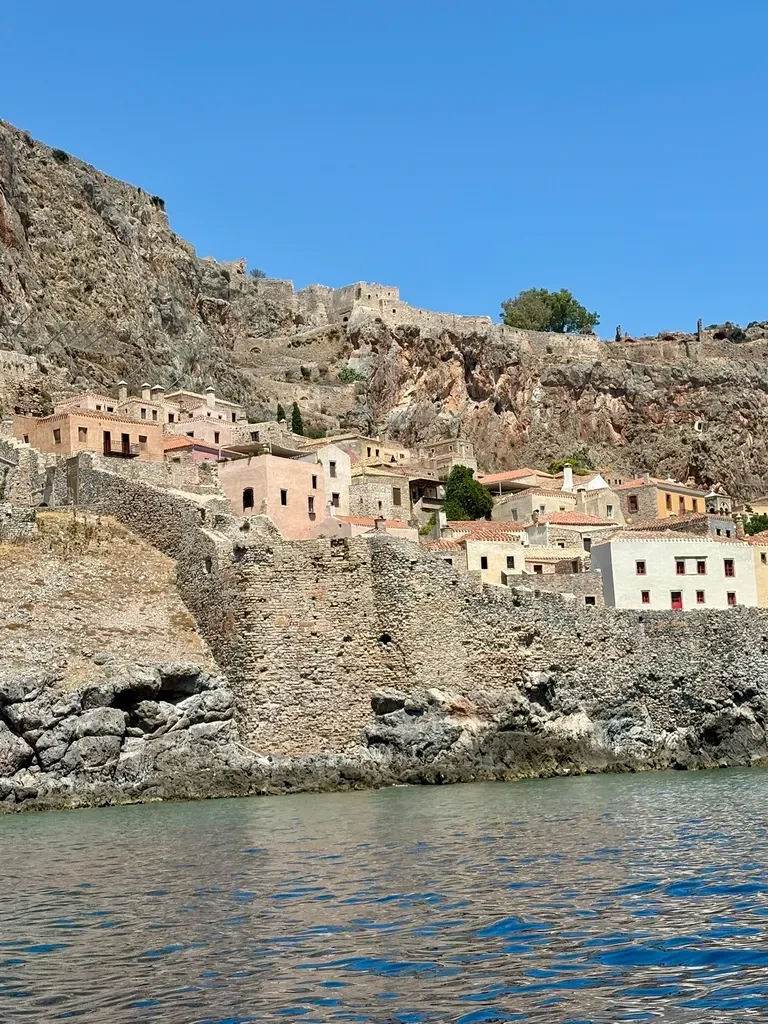

Si vous ne savez pas par où commencer, voici quelques points chauds méditerranéens qui valent la peine d'être explorés :
Connue pour ses sols volcaniques et ses cépages anciens, la Grèce offre tout, des blancs croquants aux rouges complexes.
De la Sicile à la Toscane, la diversité de l'Italie est sans égale, avec un accent sur l'identité régionale et l'accord mets-vins.
L'Espagne continue d'offrir un rapport qualité-prix exceptionnel, avec des régions comme le Priorat et la Rioja produisant des vins de classe mondiale.
Des régions comme le Languedoc et la Provence offrent un mélange de tradition et d'innovation, notamment en rosé et en assemblages.
Si vous voulez explorer la tendance de première main, cherchez :
Blancs croquants au caractère minéral (Assyrtiko, Vermentino), rouges légers à mi-corps (Garnacha, Liatiko), variétés aromatiques et herbacées (Dafni, Malvasia), rosés secs avec structure et fraîcheur
Les vins méditerranéens sont bien plus qu'une tendance — ils représentent un virage vers l'authenticité, l'équilibre et la durabilité dans le monde du vin.
En 2026, ils ne valent pas seulement la peine d'être explorés — ils sont indispensables pour quiconque souhaite élargir son palais.
Questions
Les vins méditerranéens proviennent des pays riverains de la mer Méditerranée, notamment la Grèce, l'Italie, l'Espagne et le sud de la France.
Ils correspondent aux tendances actuelles en faveur de vins frais, gastronomiques et produits de manière durable à partir de cépages autochtones.
Ils peuvent être très abordables comparés à d'autres régions, offrant souvent un excellent rapport qualité-prix.
Un blanc vif comme l'Assyrtiko ou un rouge léger comme la Garnacha constituent un excellent point de départ.
Certains oui — notamment les rouges structurés et les blancs minéraux — mais beaucoup sont meilleurs à apprécier jeunes et frais.
Oui — grâce à leur fraichéur, leur acidité et leur polyvalence, ils sont idéaux à déguster par temps chaud.
Discussion
Tags
Liés
Certaines des meilleures dégustations de vin en Crète ne se passent pas à table — mais sur l'eau. Voici comment associer une sortie en bateau côtière à une véritable dégustation de vin crétois.

La Crète fait du vin depuis quatre mille ans, bien avant que « naturel » ne devienne une étiquette. Voici ce qui change réellement chez les producteurs de l'île — et ce que cela signifie pour votre verre.
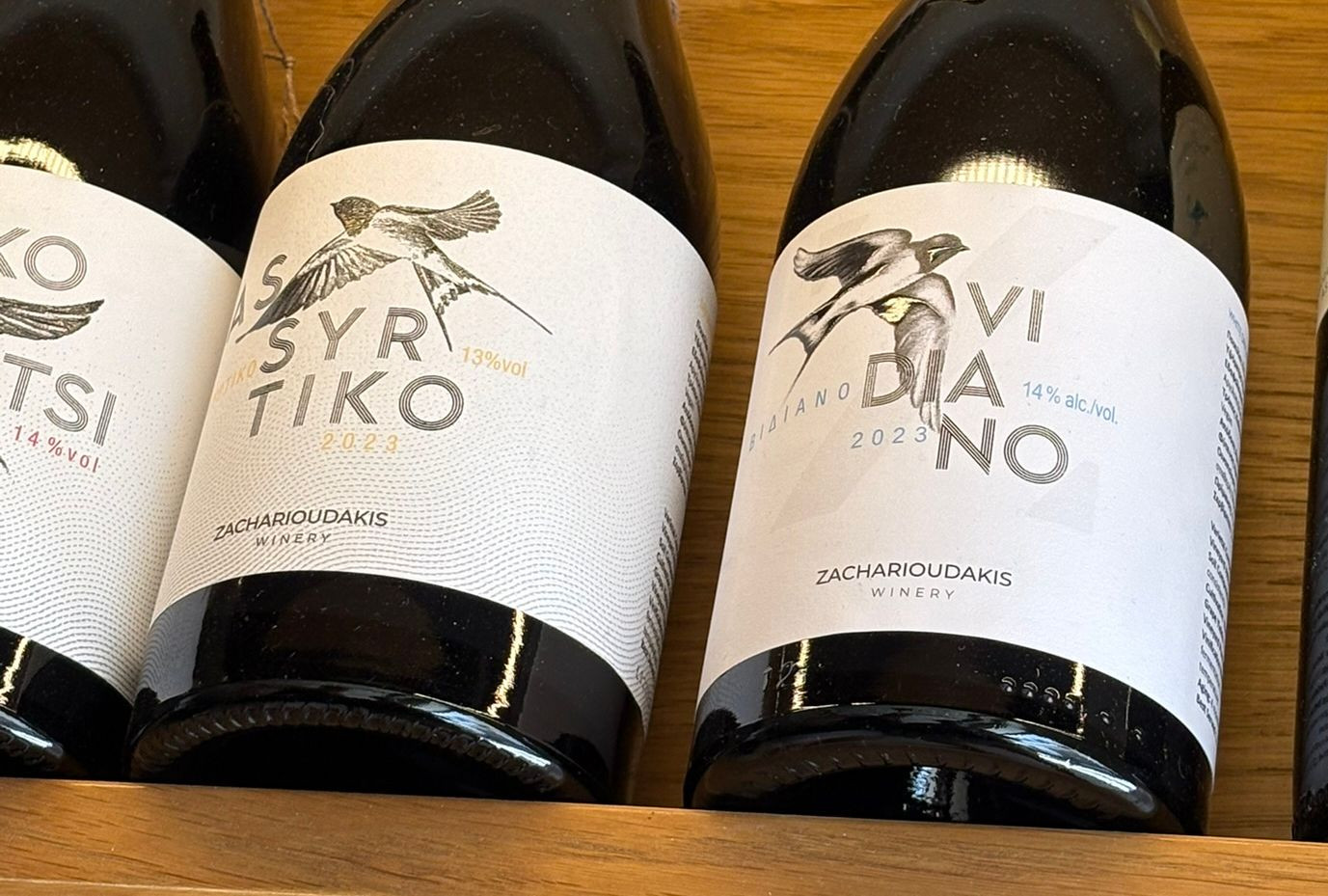
Vous n'avez pas besoin d'un menu dégustation ou d'une occasion spéciale. Voici comment marier les vins indigènes de Crète aux plats que vous cuisinez déjà ce soir.
La Partie 2 de notre guide 2026 sur les cépages crétois explore le Mandilari, le Liatiko, le Plyto et la Vilana — des cépages autochtones qui façonnent l'avenir du vin grec. Découvrez leurs profils uniques et ce qu'il faut attendre dans le verre.
Explorez les cépages essentiels de Crète dans ce guide 2026 — Vidiano, Kotsifali, Thrapsathiri et Dafni. Des blancs riches et texturés aux raretés aromatiques et aux rouges élégants, découvrez ce qui rend ces cépages autochtones uniques et pourquoi ils gagnent une reconnaissance mondiale.

Mar 31, 2026
Vous n'avez pas besoin de connaissances techniques ni du vocabulaire d'un sommelier. Il vous suffit de ralentir et de faire attention. Voici comment tirer le meilleur de chaque verre.
Certaines des meilleures dégustations de vin en Crète ne se passent pas à table — mais sur l'eau. Voici comment associer une sortie en bateau côtière à une véritable dégustation de vin crétois.
La Crète fait du vin depuis quatre mille ans, bien avant que « naturel » ne devienne une étiquette. Voici ce qui change réellement chez les producteurs de l'île — et ce que cela signifie pour votre verre.
Vous n'avez pas besoin d'un menu dégustation ou d'une occasion spéciale. Voici comment marier les vins indigènes de Crète aux plats que vous cuisinez déjà ce soir.
La Partie 2 de notre guide 2026 sur les cépages crétois explore le Mandilari, le Liatiko, le Plyto et la Vilana — des cépages autochtones qui façonnent l'avenir du vin grec. Découvrez leurs profils uniques et ce qu'il faut attendre dans le verre.
Explorez les cépages essentiels de Crète dans ce guide 2026 — Vidiano, Kotsifali, Thrapsathiri et Dafni. Des blancs riches et texturés aux raretés aromatiques et aux rouges élégants, découvrez ce qui rend ces cépages autochtones uniques et pourquoi ils gagnent une reconnaissance mondiale.
Mar 31, 2026
Vous n'avez pas besoin de connaissances techniques ni du vocabulaire d'un sommelier. Il vous suffit de ralentir et de faire attention. Voici comment tirer le meilleur de chaque verre.
Certaines des meilleures dégustations de vin en Crète ne se passent pas à table — mais sur l'eau. Voici comment associer une sortie en bateau côtière à une véritable dégustation de vin crétois.
La Crète fait du vin depuis quatre mille ans, bien avant que « naturel » ne devienne une étiquette. Voici ce qui change réellement chez les producteurs de l'île — et ce que cela signifie pour votre verre.
Vous n'avez pas besoin d'un menu dégustation ou d'une occasion spéciale. Voici comment marier les vins indigènes de Crète aux plats que vous cuisinez déjà ce soir.
La Partie 2 de notre guide 2026 sur les cépages crétois explore le Mandilari, le Liatiko, le Plyto et la Vilana — des cépages autochtones qui façonnent l'avenir du vin grec. Découvrez leurs profils uniques et ce qu'il faut attendre dans le verre.
Explorez les cépages essentiels de Crète dans ce guide 2026 — Vidiano, Kotsifali, Thrapsathiri et Dafni. Des blancs riches et texturés aux raretés aromatiques et aux rouges élégants, découvrez ce qui rend ces cépages autochtones uniques et pourquoi ils gagnent une reconnaissance mondiale.
Mar 31, 2026
Vous n'avez pas besoin de connaissances techniques ni du vocabulaire d'un sommelier. Il vous suffit de ralentir et de faire attention. Voici comment tirer le meilleur de chaque verre.
Restez Connectés
Nouveaux événements, dégustations et histoires de vins — livrés occasionnellement.